

Choosing the right lamp shade can make a big difference in your room's look and feel. Here are the main things to remember when picking out a new shade:
Key Takeaways
- Always measure your current shade's top diameter, bottom diameter, and height (or slant height).
- For table lamps, the shade's bottom diameter should be about the same as the lamp base height, and the shade height should be about three-quarters of the base height.
- Floor lamps generally need a shade with a bottom diameter of at least 18 inches (45cm), and the shade height should match the lamp's overall height.
- Consider the fitter type (harp, uno, or clip-on) as it affects how the shade attaches and its overall fit.
- When in doubt between two sizes, a slightly larger shade often looks better, unless you have a very tall, thin lamp.
Understanding Lamp Shade Measurements
So, you've decided to spruce up your living space with a new lamp shade, or perhaps replace an old, tired one. Great idea! But before you get lost in a sea of styles and colours, let's talk about the nitty-gritty: measurements. Getting these right is the first step to ensuring your new shade looks just right, not too big or too small, and casts the perfect light. It's not as complicated as it sounds, honestly.
Key Dimensions To Consider
When you're looking at a lamp shade, there are three main measurements you'll need to know. Think of it like getting dressed – you need to know your size!
- Top Diameter: This is the width across the very top opening of the shade.
- Bottom Diameter: This is the width across the widest part of the bottom opening. This is often the most important measurement for overall proportion and is usually the largest number in a lamp shade size guide UK.
- Height (or Slant Height): This is the vertical distance from the top rim to the bottom rim. For shades with a slope, like empire or bell shapes, you measure along that slope.
Measuring The Diameter Accurately
Measuring the diameter is pretty straightforward. For round shades, grab a flexible measuring tape and measure straight across the widest part of the top and bottom openings. If you're dealing with a square or rectangular shade, you'll measure both the width and the depth at the top and bottom. The bottom diameter is usually the most significant measurement when choosing a new shade.
Calculating The Shade's Height
For most shades, the height is a simple vertical measurement from top to bottom. However, if you have a shade with a slant, like a classic empire or bell shape, you'll want to measure along that angled side. This is often called the slant height. For drum shades, the top and bottom diameters are the same, so you just need that measurement plus the height.
When you're looking at different lamp shade diameter guide options, remember that these three measurements are your starting point. Whether you're after a pendant lamp shade size or something for your bedside table, getting these basics right means you're well on your way to a perfectly dressed lamp.
Choosing The Right Size For Your Lamp
So, you've got your lamp base and you're ready to find the perfect lampshade. It sounds simple, right? But picking the wrong size can make your whole lamp look a bit off. It's a bit like wearing a hat that's either too big or too small – it just doesn't quite work. The goal is to achieve a look that feels balanced and pleasing to the eye. This is where understanding lamp proportions comes in handy.


Table Lamp Proportions
For table lamps, there are a few handy rules of thumb to keep things looking just right. The shade's width should generally be about twice the width of the lamp's base. Think of it as creating a nice visual anchor. As for the height, aim for the shade to be roughly one-third of the lamp's total height, from the base to the top of the bulb fitting. Another way to look at it is that the shade's height should be about three-quarters the height of the lamp base itself. You also want to make sure the shade is a little wider than the base, maybe by a centimetre or so on each side, so it doesn't look like it's hanging over.
Floor Lamp Guidelines
Floor lamps often need a bit more presence. A good starting point for a floor lamp shade is a bottom diameter of around 45cm (18 inches) or larger. The same principles of proportion apply here: the shade should complement the scale of the lamp base and the room it's in. A shade that's too small can make a grand floor lamp look a bit lost, while one that's too large might overwhelm it. It's all about finding that sweet spot.
General Rules For Balance
When you're trying to figure out how to choose a lamp shade, remember that balance is key. If you find yourself between two sizes, it's often safer to opt for the slightly larger one. It tends to fill out the space better and can provide more light. However, if you have a particularly tall and slender lamp, a smaller shade might actually look more in proportion. It's worth considering the overall shape and style of your lamp base when making your final decision. Getting the proportions right makes the whole lamp look more harmonious and satisfying.
Here are some general guidelines to keep in mind:
- Width: Aim for the shade's bottom diameter to be roughly double the width of the lamp's base.
- Height: The shade's height should be approximately one-third of the lamp's total height (base to fitting).
- Clearance: Ensure the shade is slightly wider than the base of the lamp to avoid any visual overhang.
- Table Lamps: For smaller table lamps, the shade height might be closer to three-quarters of the base height.
- Floor Lamps: Generally require larger shades, often with a bottom diameter of 45cm (18 inches) or more. Check out different shade styles that might suit your lamp.
Accounting For Different Fitter Types
So, you've got your measurements sorted, but what about how the shade actually attaches to the lamp? This is where the fitter type comes in, and it can definitely influence your final choice. It's not just about the shade's dimensions; it's also about how it connects.
Harp Fitter (Spider) Considerations
This is probably the most common type you'll come across, especially on table and floor lamps. It uses a metal frame called a harp, which attaches to the lamp base, and the shade then sits on top of the harp, usually secured with a decorative finial. When you're measuring for a shade with a harp fitter, you need to make sure the shade is wide enough at the bottom to clear the harp itself and any other hardware around the bulb socket. You also want to consider the height of the harp; a shade that's too short might look a bit odd sitting high up on the harp. Generally, the bottom diameter of the shade should be about twice the height of the shade itself for good balance. If you're buying a new shade, check that it's compatible with a harp system like this one.
Uno Fitter Specifics
Uno fitters are a bit different. Instead of a harp, the shade attaches directly to the lamp's socket. This means the shade's opening at the top is where it connects. These are often found on smaller lamps, like bedside lamps or swing-arm lamps. Because it attaches directly to the socket, the shade needs to be designed to cover that area neatly. Sometimes, shades with uno fitters are part of the lamp's original design and aren't easily swapped out, but if yours is replaceable, just ensure the shade's top opening fits snugly around the socket without being too tight.
Clip-On Fitter Measurements
Clip-on fitters are the simplest. They literally clip directly onto the light bulb. You'll usually find these on smaller accent lamps or even some chandeliers. When you're measuring for a clip-on shade, the size of the bulb itself becomes more important. The shade needs to be large enough to cover the bulb comfortably but not so large that it looks out of proportion. These shades tend to be smaller overall, so think about the bulb's dimensions when you're looking at the shade's measurements. It's all about making sure the shade can be securely attached without touching the bulb directly, especially if you're using a higher wattage bulb.
Measuring Specific Lamp Shade Shapes
Different lamp shades have distinct shapes, and knowing how to measure them accurately is key to finding the perfect fit. It's not always a straightforward 'across the middle' job, especially with more decorative styles. Let's break down how to measure some common shapes.
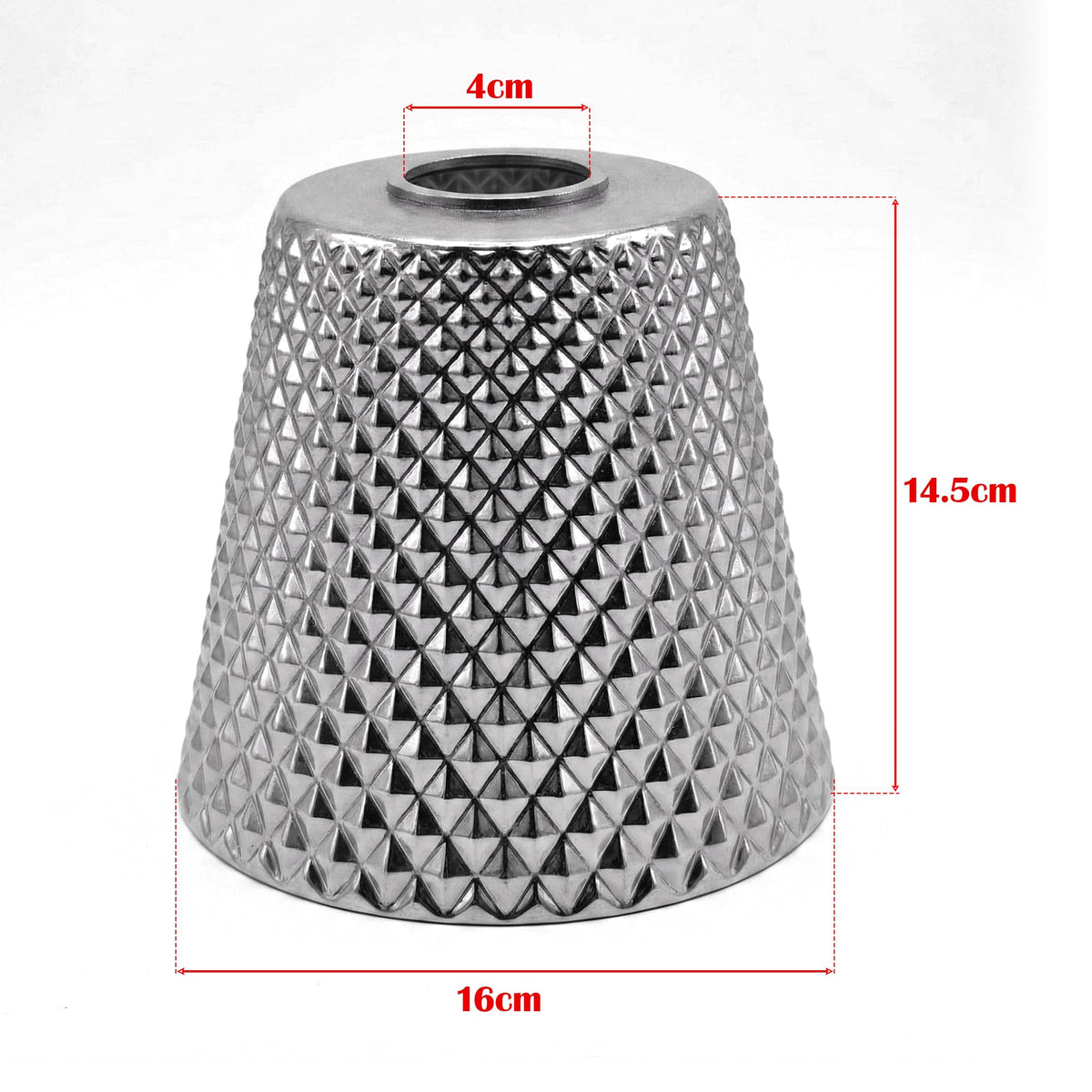
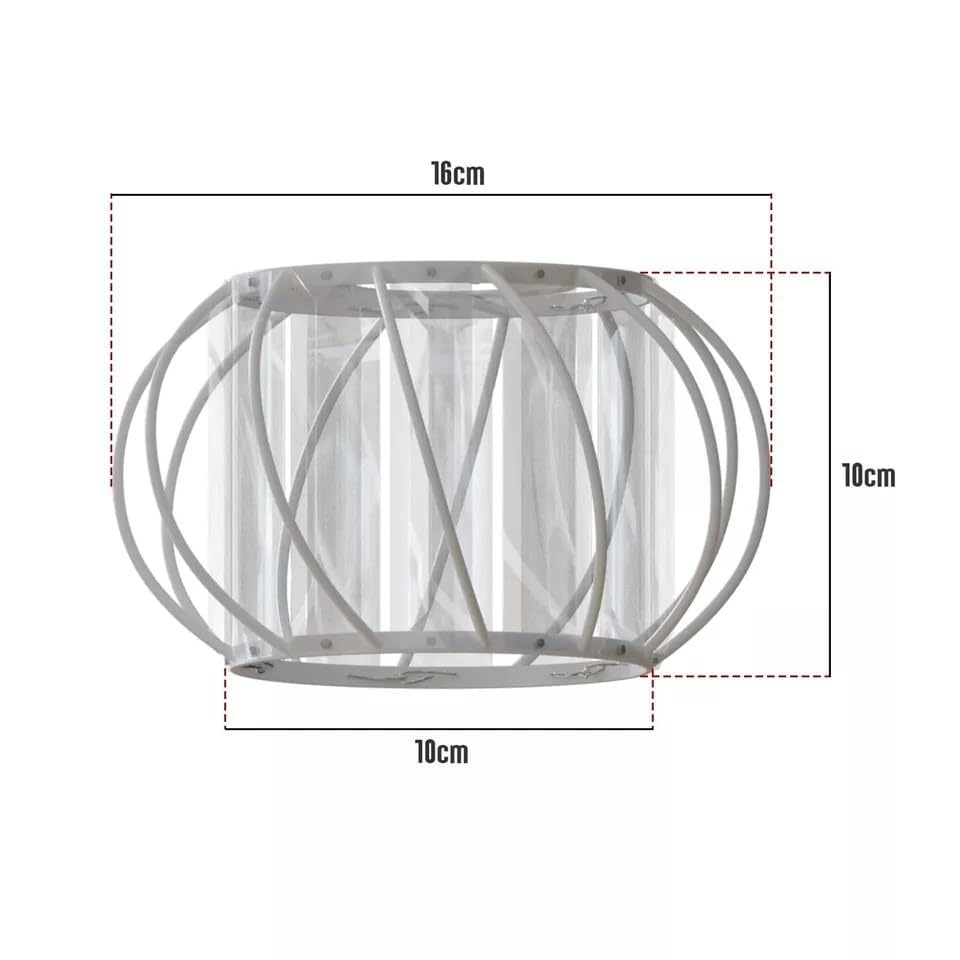
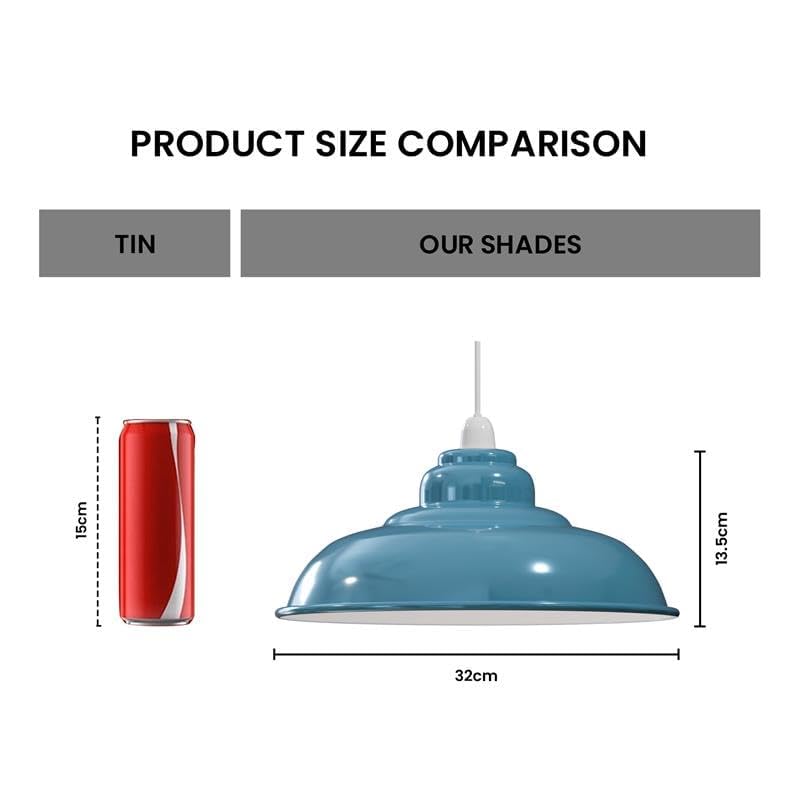
Drum Lamp Shade Measurements
Drum shades are pretty simple. They're cylindrical, meaning the top and bottom diameters are the same. You'll need to measure:
- Top Diameter: The width across the top opening.
- Bottom Diameter: The width across the bottom opening (this will be identical to the top).
- Height: The straight vertical distance from the top edge to the bottom edge.
Empire and Bell Lamp Shade Slant Height
Empire and bell shapes have a tapered, angled side. This means you'll be measuring the slant height rather than a straight vertical one. Here's how to approach it:
- Top Diameter: Measure the widest part of the top opening.
- Bottom Diameter: Measure the widest part of the bottom opening.
- Slant Height: This is the most important measurement for these shapes. Run your flexible tape measure from the top edge, along the angled side, all the way down to the bottom edge. Don't measure straight down; follow the curve or slope.
Square and Rectangular Shade Dimensions
For shades with straight sides and corners, you'll need to be precise with both width and depth.
- Top Width & Depth: Measure the width and depth of the top opening. For a square shade, these will be the same.
- Bottom Width & Depth: Measure the width and depth of the bottom opening.
- Height: Measure the straight vertical distance from the top edge to the bottom edge.
When you're looking for a replacement, you'll often see these listed as 'Top Width x Bottom Width x Height' or similar. For a square shade, it might be '10x10x8', meaning 10 inches wide at the top and bottom, and 8 inches tall. If you're unsure how to measure a lamp shade like this, just remember to get both dimensions for the top and bottom openings. You can find a wide variety of lamp shades for square bases online.
Finishing Touches: Finding the Perfect Shade
Measuring a lamp shade doesn't have to be a daunting task. With these simple steps, you can confidently choose the perfect shade for any lamp, enhancing your home's lighting and style. Happy shopping!