


The Art of Illumination: How to Choose the Perfect Light Fixtures
Picking the right light fixture can really change how a room feels, can't it? It's not just about seeing in the dark; it's about setting a mood and making your home look its best. This guide is here to help you figure out the best way to choose and use light fixtures, whether you're after something practical or a bit more stylish. We'll look at different types of lighting, how to pick the right bulbs, and even where to find some unique pieces.
Key Takeaways
- Think about different lighting layers: ambient for general light, task for specific jobs, and accent to highlight features.
- Choosing the right bulb colour temperature and whether it's dimmable makes a big difference to the room's feel.
- Don't forget about natural light; use your fixtures to complement it, not just replace it.
- Getting the size and placement of your light fixture right is important for both looks and function.
- Consider vintage or unique light fixture options, and don't be afraid to mix styles to create a personal look.
Understanding Light Fixture Layers
Think of lighting your home like putting together a really good outfit. You wouldn't just throw on one item and call it done, right? You layer things to create a look that's interesting and works well. Lighting is exactly the same. A single overhead light might technically do the job of making a room visible, but it won't give you that cosy feel, add texture, or make the space truly functional. By using different types of light together, you can turn a flat, boring room into somewhere that feels inviting and has some depth.

There are three main types of light you'll want to mix and match. Getting these right is key to making any room feel just right.
Ambient Lighting For Overall Illumination
This is your base layer, the general light that fills the room. It's what you switch on when you first walk in. Think ceiling lights, chandeliers, or even well-placed floor lamps that spread light around. The goal here is to provide enough light so you can see where you're going without any trouble. It sets the overall mood, so choosing something that looks good and casts a pleasant glow is important. For example, a statement pendant light can be a great starting point for ambient lighting.
Task Lighting For Specific Activities
Next up is task lighting. This is focused light for when you're actually doing something that needs a bit more brightness. It could be a reading lamp next to your favourite armchair, under-cabinet lights in the kitchen for chopping vegetables, or a desk lamp when you're working from home. This type of lighting is all about function. You want it bright and direct enough to make the job easy, without causing glare. It adds another practical layer to your room's lighting setup.
Accent Lighting For Visual Appeal
Finally, we have accent lighting. This is the layer that adds personality and drama. It's used to highlight specific features – maybe a piece of art on the wall, a nice architectural detail, or even a plant. Wall sconces, spotlights, or even a well-positioned table lamp can create these pools of light. Accent lighting draws the eye, creates focal points, and adds depth, making the room much more interesting to look at. It’s the finishing touch that really makes a space feel complete.
By combining these three layers – ambient for general light, task for specific jobs, and accent for visual interest – you create a space that's not only practical but also has a lovely atmosphere and character. It’s about making the room work for you and look good while doing it.
Choosing The Right Light Fixture Bulbs
When selecting bulbs, think about how you actually use the space. A bright, cool light might be great for a kitchen worktop, but it's probably not what you want for winding down in the lounge before bed. Matching the bulb's characteristics to the room's purpose makes a huge difference.

Colour Temperature Considerations
When you're picking out bulbs, the colour temperature is a big deal. It's measured in Kelvin (K). For a cosy vibe in a bedroom light fixture, you'll want something warmer, usually around 2700K to 3000K. If you need brighter, more focused light, like for a dining room light fixture, you might go a bit cooler, perhaps 3500K to 4000K. Going too cool, like 5000K and above, can start to feel a bit clinical.
Dimmable Bulbs For Versatility
Being able to adjust the brightness of your lights is a game-changer. Dimmable bulbs let you change the mood of a room in an instant. This is especially handy for living areas and dining rooms. It means one light fixture can serve multiple purposes throughout the day.
Energy Efficiency Of LED Bulbs
LED bulbs are the way to go these days. They use way less electricity and last for ages. It's worth checking the lumens (brightness) and wattage (energy use) to find the right balance for each room.
| Bulb Type | Energy Use | Lifespan (approx.) | Colour Temp Range |
|---|---|---|---|
| Incandescent | High | 1,000 hours | Warm (2700K) |
| Halogen | Medium | 2,000 hours | Warm to Neutral |
| CFL | Low | 8,000 hours | Cool to Warm |
| LED | Very Low | 25,000+ hours | All ranges |
Maximising Light Fixture Potential In Your Home
Thinking about how light works in your home is more than just picking a nice-looking lamp. We often forget about the natural light we already have, which is a shame because it’s free and can make a big difference.
Considering Natural Light Sources
Understanding your natural light is the first step to smart lighting. If a room is flooded with light in the morning but gets dark by afternoon, you’ll need to plan your artificial lighting to fill that gap. Rearranging furniture or using mirrors can help bounce natural light around effectively, making the space feel brighter and more welcoming.
Elevating Small Spaces With Lighting
The trick here is to use light to make the space feel bigger. Think about using wall lights that cast light upwards, or slim, vertical floor lamps. Rechargeable table lamps are a great option for small spaces as they don't need to be near a plug socket and can be moved around easily to create little pools of light.
Making A Statement With Feature Fixtures
Sometimes, a room just needs a bit of 'wow' factor. This could be a striking chandelier or a unique pendant light over a kitchen island. Don't be afraid to go a little bigger than you might initially think, as long as it's proportionate to the room.

Pendant Lights
Perfect for kitchen islands and dining.
Shop Now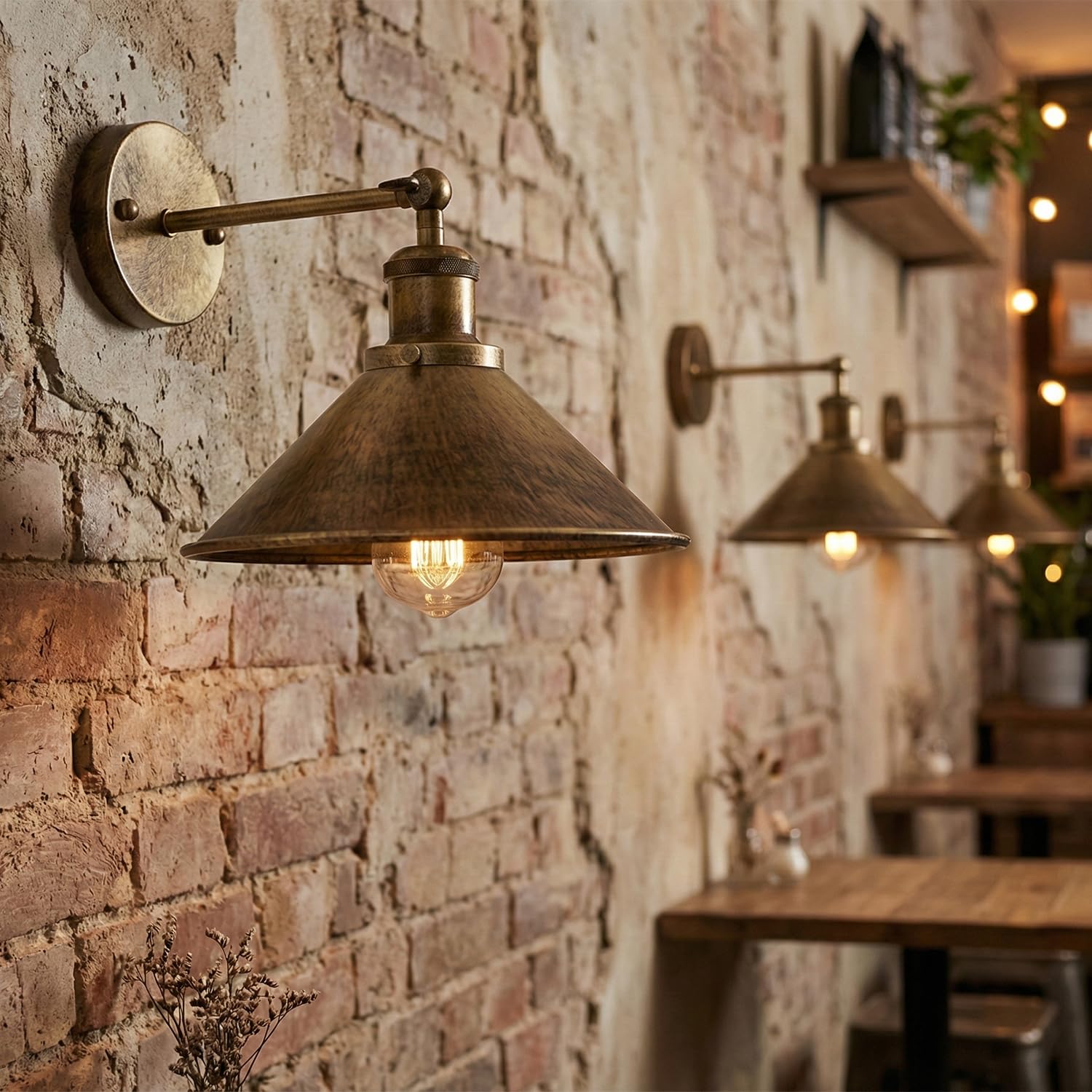
Wall Lights
Add depth and accent to any wall.
Shop Now
Vintage Style Glass Ceiling Pendant Light
Efficient lighting in every colour.
Shop NowPracticalities Of Light Fixture Selection
Determining The Correct Size And Fitting
Getting the size right is key. For a standard 8-foot ceiling, you'll want at least 7 feet (about 2.1 metres) of clearance from the floor to the bottom of the fixture. For the fixture's diameter, a handy formula is to add the room's width and length together (in metres) and that gives you the approximate diameter in inches.
Placement Above Tables And Islands
When you're hanging a light over a dining table or a kitchen island, aim for a gap of about 30-36 inches (75-90cm) between the bottom of the fixture and the surface below. This gives you enough light without causing glare.
Adapting For Different Ceiling Heights
For rooms with sloping or attic ceilings, you might need to get a bit creative. Spotlights can be angled to direct light where you need it, and you can also use wall lights to fill in darker corners.
Designer Insights For Light Fixtures
Paying attention to the details can make all the difference. Designers know that lighting is about how a space feels. Don't be afraid to 'borrow' ideas from your favorite restaurants or hotels.
Balancing Functionality And Aesthetics
A light fixture needs to look good, but it also needs to do its job. For instance, over a kitchen island, you need light that shines down. Designers think about the purpose of the light first, then find something that fits the bill aesthetically.
Mixing Lighting Styles And Textures
A room often benefits from a mix. Imagine a main ceiling light paired with a floor lamp. Consider textures like a lampshade made from vintage linen or colourful Ikat to add character. It’s about building up a lighting scheme that feels layered and inviting.
Sourcing Unique Light Fixtures
It’s about finding pieces that tell a story. Online auction sites like The Saleroom are a goldmine for vintage and antique lighting. Don't be put off if a piece needs rewiring; an electrician can sort this out fairly quickly.
The Role Of Lampshades
Never underestimate the power of a lampshade! Swapping out a standard shade for one made from a vintage fabric can completely transform a lamp. It adds an extra layer of visual interest and can tie a room's colour scheme together.
Frequently Asked Questions
What are the main types of lighting I should use at home?
There are three main types: ambient (general light), task (focused light for reading/cooking), and accent (highlighting special features).
How do I pick the right bulb for my light fixture?
Choose based on colour and brightness. Warm white is for relaxing; cool white is for kitchens/work areas. LED bulbs are best for energy saving.
How do I know what size light fixture to buy?
Add the length and width of the room (in metres), and that number in inches is a good estimate for the width of your ceiling fixture.
How can I make a small room feel brighter and bigger with lighting?
Use light colours on your walls and choose simple, slim light fixtures. Place lights in corners or use portable lamps to brighten dark spots. Mirrors can also help reflect light and make the space look larger.
What should I think about when placing lights above tables or kitchen islands?
Hang the light so there’s about 30-36 inches (75-90cm) between the bottom of the fixture and the table or island. This gives enough light without getting in the way. One big fixture usually looks better than lots of small ones.
Where can I find unique or vintage light fixtures in the UK?
Try looking at online auction sites, local antique shops, or second-hand markets. Vintage fixtures can add character to your home. If you find an old light that needs fixing, an electrician can often rewire it for you. Lampshades made from special fabrics can also give your lights a unique look.