

Right then, let's talk about LED power supply transformers. It sounds a bit technical, doesn't it? But honestly, it's not that complicated. If you've ever wondered why your fancy new LED strip lights are flickering or just not performing as well as you'd hoped, the chances are it's down to the transformer. Getting the right one is actually pretty straightforward once you know what to look for. We'll sort out the voltage, the wattage, and all that jazz, so your lights shine just right.
Key Takeaways
- Matching the voltage of your LED power supply transformer to your LED strips is vital to stop them from flickering or getting damaged.
- Always calculate the total wattage your LEDs will use and add a bit extra (around 20-30%) to the LED power supply transformer's rating, so it doesn't get overworked.
- There are different types of LED power supply transformers, like constant voltage and constant current ones, so pick the type that suits your specific LED setup.
- If you want to dim your lights, make sure your LED power supply transformer supports dimming and is compatible with your chosen dimming system.
- Always check for safety certifications on your LED power supply transformer and follow local electrical rules to keep your installation safe and reliable.
Understanding Your LED Power Supply Transformer Needs
Right then, let's get down to brass tacks about these LED transformers. They're not just some fancy box you plug in; they're actually pretty important for making your LED lights work properly and last a good long while. Think of them as the middleman, taking the mains electricity from your wall socket and making it suitable for your delicate LED strips.


The Crucial Role of LED Transformers
So, what's the big deal? Well, LEDs are a bit picky. They need a specific, steady amount of power to do their job without burning out or looking all flickery. Your home's electricity is usually a bit wilder – it's AC (alternating current) and at a high voltage. LEDs, on the other hand, prefer DC (direct current) and a much lower voltage. The transformer's main job is to bridge this gap. It takes that mains power and transforms it into the clean, stable power your LEDs are craving. Without the right transformer, you're basically asking for trouble, like lights that don't work, flicker like a dodgy horror film, or just die prematurely.
AC to DC Conversion for LED Operation
This is where the magic happens. Your standard wall socket pumps out AC power, which constantly changes direction. LEDs, however, are diodes; they only like current flowing in one direction. If you feed them AC, they get confused, leading to that annoying flicker or, worse, they can overheat and fail. The transformer's job is to rectify this, turning the back-and-forth AC into a smooth, one-way DC flow. This is particularly important if you're using something like a 12V transformer, as the voltage needs to be consistent for the LEDs to perform as expected.
Power Regulation and System Efficiency
Beyond just converting the power type, a good transformer also regulates it. This means it keeps the voltage and current steady, even if the load on the system changes slightly. This steady supply is what prevents flickering and ensures your LEDs shine at their intended brightness. It also means less wasted energy. A well-regulated power supply is more efficient, generating less heat. Less heat means a longer life for both the transformer and your LED lights, which is always a win.
Selecting the Correct Voltage and Wattage
Right then, let's get down to the nitty-gritty of picking the right power supply for your LEDs. It's not just about grabbing any old box; getting the voltage and wattage spot on is pretty important if you don't want your lights acting up.
Matching Transformer Voltage to LED Strips
First things first, you've got to make sure the voltage coming out of your transformer matches what your LED strips are designed for. It's a bit like trying to plug a UK appliance into a US socket – it just won't work properly, and you might even break something. Most LED strips will clearly state their required voltage, usually 12V or 24V, though you might see 48V for some bigger jobs. Using the wrong voltage can lead to all sorts of bother, from flickering lights to them not lighting up at all, or worse, burning out.
- 12V LED Strips: These are pretty common for smaller projects, like under-cabinet lighting or accent lights around the house. They're good for shorter runs.
- 24V LED Strips: If you're planning a longer run of lights, say along a kitchen counter or around a room, 24V is often a better bet. It helps keep the brightness consistent over a longer distance and reduces something called 'voltage drop'.
- 48V LED Strips: These are usually for really big installations, like commercial spaces or large architectural features, where you need to cover a lot of ground without any dimming at the end.
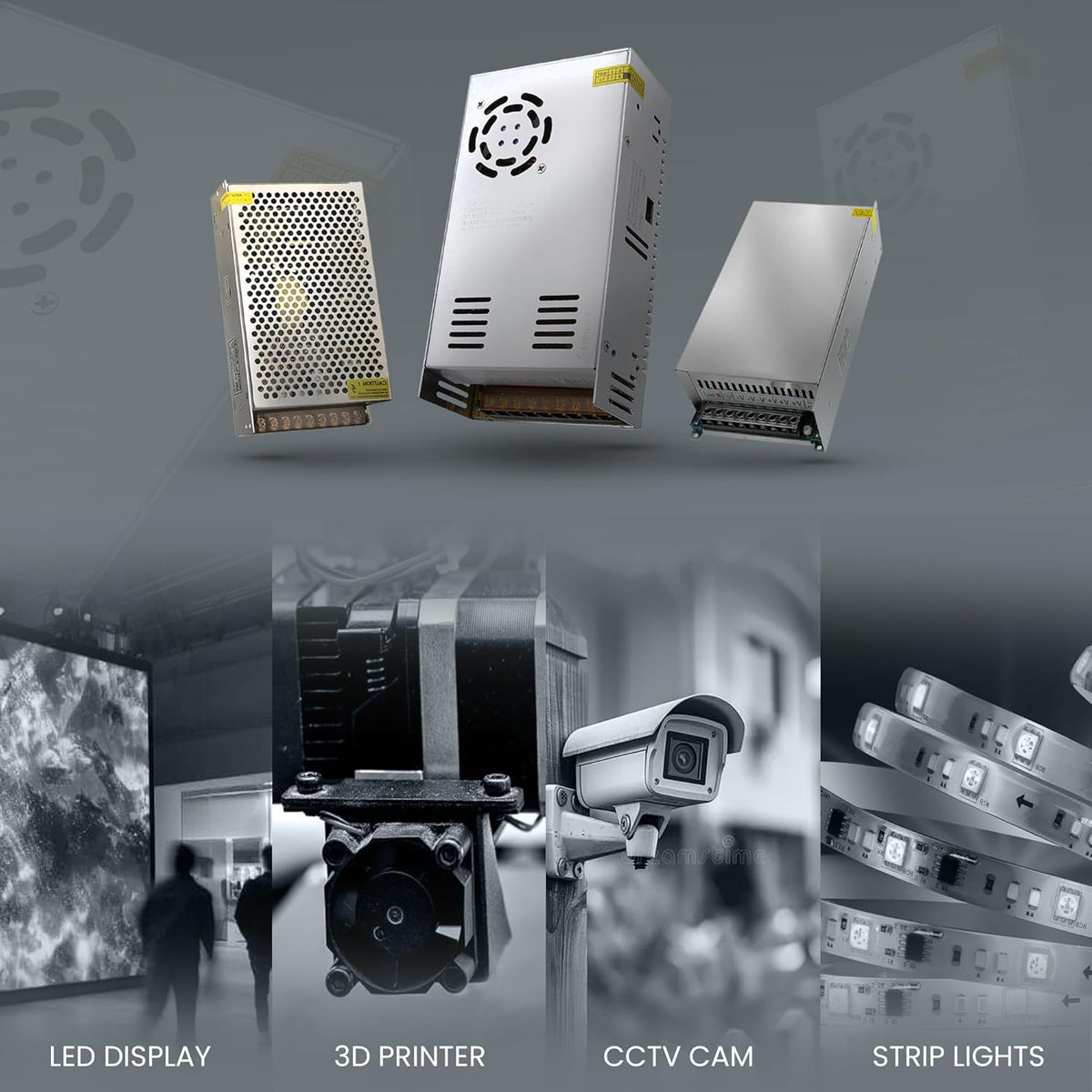
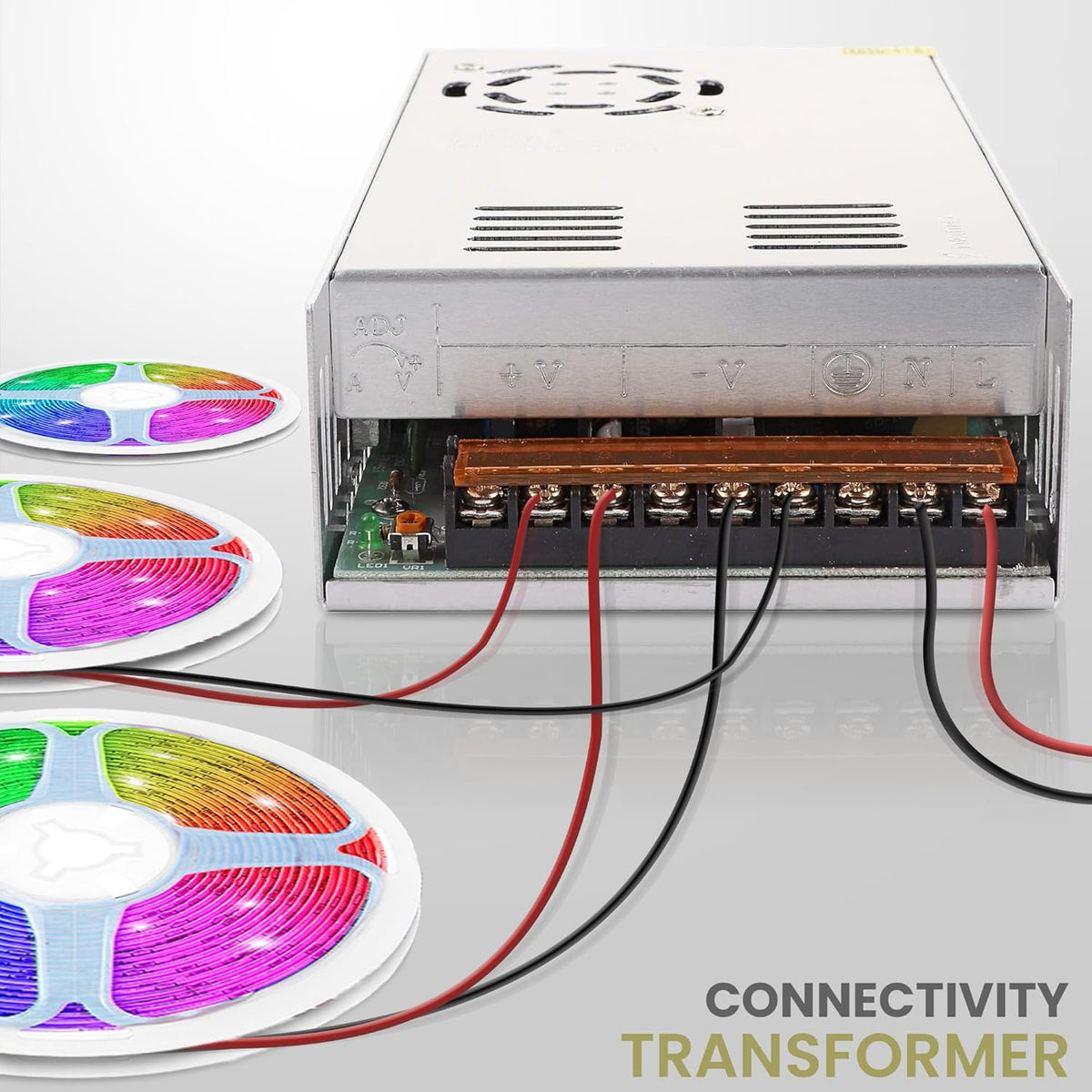
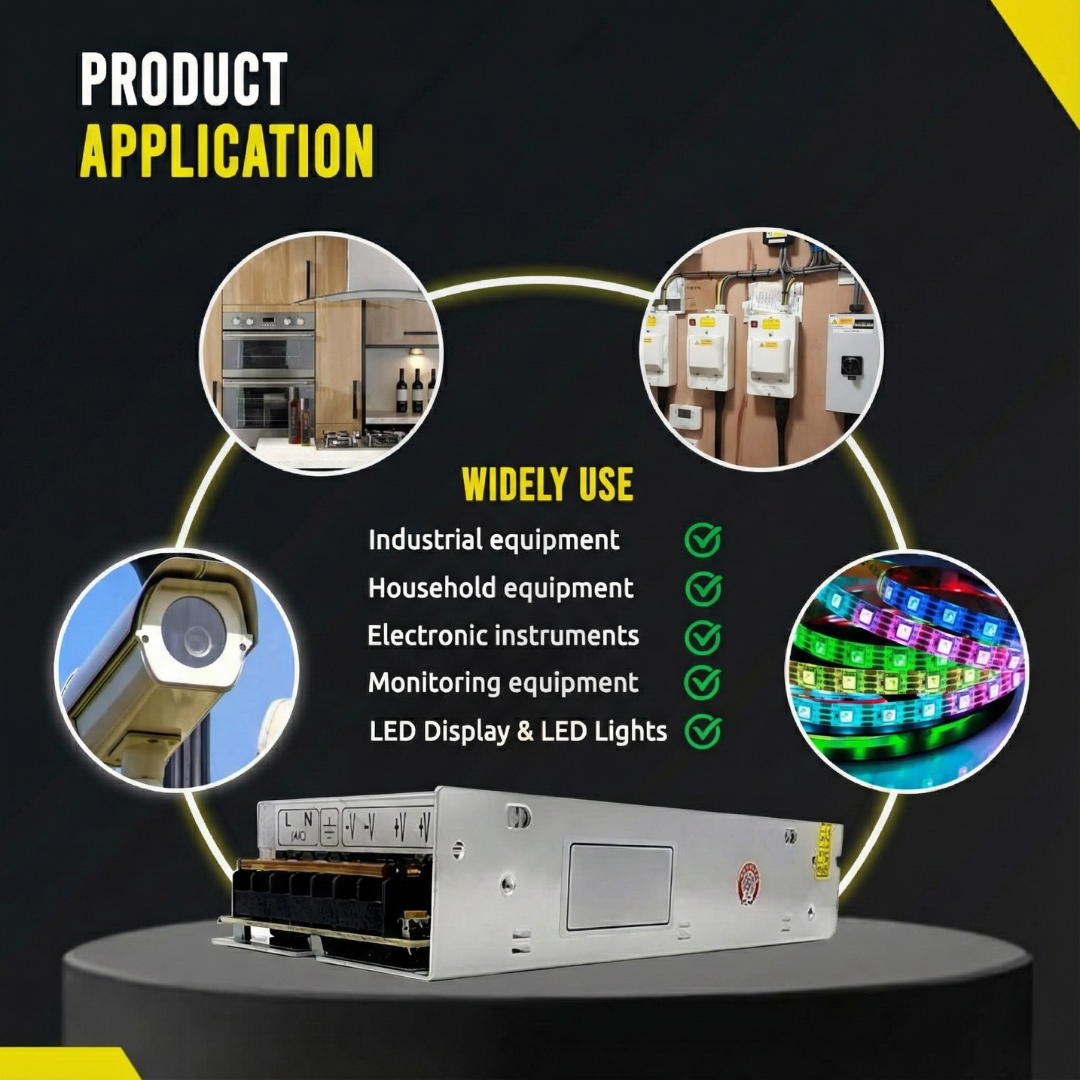
Calculating Total Wattage Requirements
Once you've got the voltage sorted, you need to figure out how much power, or wattage, your whole setup is going to need. This is fairly simple maths. You'll need to know how many watts your LED strip uses per metre (or foot, depending on how it's specified) and then multiply that by the total length of strip you're using.
Let's say you've got an LED strip that uses 10 watts per metre, and you're planning to install 5 metres of it. The calculation would be:
10 W/m * 5 m = 50 W
So, your setup will need at least 50 watts of power.
Incorporating a Safety Margin for Longevity
Now, here's a bit of a pro tip: don't just get a transformer that exactly matches your calculated wattage. It's a really good idea to add a bit of extra capacity, often called a safety margin or derating. A common recommendation is to add about 20% to your total wattage. This stops the transformer from running at its absolute limit all the time, which makes it run cooler and last a lot longer. It also means if you decide to add a little extra bit of LED strip later, you won't immediately need a new power supply.
So, for our 50-watt example:
50 W * 1.2 (for 20% margin) = 60 W
In this case, you'd want to look for a transformer that provides at least 60 watts at the correct voltage. It's better to have a bit too much power than not enough.
Exploring Different Types of LED Transformers
Right then, let's talk about the different kinds of transformers you might come across when you're setting up your LED lights. It's not just a one-size-fits-all situation, and picking the right one makes a big difference to how your lights perform.


Constant Voltage Versus Constant Current
This is probably the first big decision you'll make. You've got two main camps: constant voltage (CV) and constant current (CC).
- Constant Voltage (CV): These transformers give you a steady voltage, usually 12V or 24V. They're brilliant for when you're hooking up a few LED strips or lights one after another in parallel. The voltage stays put, and the amount of current just sorts itself out based on how many lights you've got plugged in. Most common LED strips use these.
- Constant Current (CC): These are a bit different. They keep the current steady and let the voltage do its own thing to match what the LEDs need. This is really handy for high-power LEDs or when you need really precise brightness control. They're often used for longer runs of LEDs or when the load might change a bit.
Ensuring Safety and Reliability
When you're putting together your LED lighting setup, the last thing you want is for something to go wrong. Safety and reliability aren't just buzzwords; they're what keep your lights working properly and stop any nasty surprises. It's about picking the right bits and making sure they're put together correctly.
Adhering to Safety Certifications and Codes
Think of safety certifications like a stamp of approval. They tell you that a product has been checked and meets certain standards. For electrical bits, you'll often see marks like CE or UL. These mean the transformer, for example, has been tested to make sure it won't cause a fire or shock someone. It's not just about the transformer, though. You also need to follow the rules set out in your local electrical codes. These are basically the laws for how electrical stuff should be installed in your home or building. Getting these wrong can lead to problems, not just with safety but potentially with insurance or if you ever need to sell your place.
Identifying Signs of a Failing Transformer
Sometimes, even with the best intentions, a transformer might start to give up the ghost. You might notice your lights flickering more than usual, or perhaps they're not as bright as they used to be. A really obvious sign is if the transformer itself starts making odd noises, like buzzing or humming. It might also feel unusually hot to the touch, even when it's not under a heavy load. If you see any of these things happening, it's probably time to think about replacing it before it causes bigger issues.
Leaving Extra Capacity for Growth
This ties into choosing scalable options, but it's worth repeating. Always aim to have some spare capacity. A good rule of thumb is to aim to use about 80% of your transformer's maximum rating. So, if your calculations show you need 80W for your current setup, you should be looking for a transformer rated at 100W (80W / 0.8 = 100W). This not only allows for expansion but also means the transformer won't be running at its absolute limit all the time. Less strain means a longer lifespan and less chance of overheating, which is always a good thing.
- Current Needs: Calculate the total wattage your LEDs will use.
- Future Proofing: Add 20-30% to your current needs for potential expansion.
- Transformer Selection: Choose a transformer with a wattage rating that comfortably exceeds your calculated future needs (aiming for 80% utilisation).
- Connectivity: Opt for connectors and wiring that allow for easy additions or changes.