

So, you're thinking about giving your home's lighting a bit of a makeover? It's a good idea, really. Old bulbs can be a pain, costing a fortune to run and always seeming to fizzle out at the worst possible moment. Plus, they just don't make a room feel as nice as they could. But don't worry, there's a simple fix that's both good for your wallet and makes your place look way better: upgrading to LED light bulbs. They're a game-changer for saving energy and adding some serious style.
Key Takeaways
- Switching to LED light bulbs is a smart move for saving energy and cutting down your electricity bills.
- LEDs last a really long time, meaning you won't be constantly changing them.
- You can pick the right colour temperature for LEDs to make each room feel just how you want it, from cosy to bright.
- There are loads of different shapes and sizes of LED light bulbs to fit all your lamps and light fixtures.
Embrace Energy Efficiency with LED Light Bulbs
It's a bit of a no-brainer these days, isn't it? We're all trying to be a bit kinder to the planet and, let's be honest, our wallets. That's where LED light bulbs really shine. They're not just a trend; they're a smart move for anyone looking to make their home more energy efficient. Switching to LEDs is one of the simplest yet most impactful upgrades you can make.
The Environmental and Financial Benefits of LEDs
Think about it: traditional bulbs, like incandescent ones, are basically tiny heaters that happen to produce a bit of light. They waste a huge amount of energy as heat. LEDs, on the other hand, are incredibly efficient. They use significantly less electricity to produce the same amount of light. This means lower energy bills for you, which adds up over time. Plus, less energy consumption means a smaller carbon footprint. It’s a win-win for your bank account and the environment. For instance, a typical LED bulb can use up to 80% less energy than an old incandescent bulb, and they last much, much longer too.


Understanding Lumens and Wattage Equivalents
When you're shopping for new bulbs, you'll notice the packaging talks about lumens, not just wattage. Wattage used to be the go-to measure, but with LEDs, it's different. Lumens actually tell you how bright the bulb is. So, instead of looking for a 60-watt bulb, you'll be looking for a bulb that gives you around 800 lumens. This can be a bit confusing at first, but it's worth getting your head around. Here’s a quick guide:
| Lumens | Old Wattage Equivalent | Typical LED Wattage |
|---|---|---|
| 450 | 40W | 5-6W |
| 800 | 60W | 8-10W |
| 1100 | 75W | 10-12W |
| 1600 | 100W | 14-18W |
Long Lifespan: A Key Advantage of LED Technology
This is a big one. LED bulbs last for ages. We're talking thousands of hours – often 15,000 to 25,000 hours, and sometimes even more. Compare that to incandescent bulbs that might only last around 1,000 hours. This means you'll be replacing bulbs far less often. Think about how annoying it is to constantly be climbing on chairs to swap out blown bulbs, especially in hard-to-reach places. With LEDs, that hassle is drastically reduced. It’s one of those things that just makes life a little bit easier, and contributes to the overall benefit of energy efficient home lighting.
Choosing the Right LED Light Bulbs for Every Room
So, you've decided to make the switch to LEDs, which is brilliant! But now comes the slightly trickier part: figuring out which bulbs are actually going to work best in your home. It's not just about grabbing any old bulb; the right choice can really change how a room feels. Let's break down how to pick the perfect ones for each space.
Colour Temperature: Warm vs. Cool White
This is a big one. Colour temperature is all about the 'feel' of the light. Do you want your living room to feel like a cosy hug, or your kitchen to be as bright and alert as a summer morning? That's where colour temperature comes in. It's measured in Kelvin (K), and generally, lower numbers mean warmer, yellower light, while higher numbers mean cooler, bluer light.
- Warm White (2700K - 3000K): This is the classic, cosy glow you probably associate with traditional incandescent bulbs. It's great for living rooms, bedrooms, and dining areas where you want a relaxed, inviting atmosphere. Think of it as the lighting equivalent of a comfy jumper.
- Cool White / Daylight (4000K - 6500K): This is a much brighter, crisper light that mimics natural daylight. It's fantastic for task-focused areas like kitchens, bathrooms, home offices, or garages where you need to see clearly. It can help you feel more alert and focused.
- Neutral / Natural White (3500K - 4000K): This sits nicely in the middle, offering a balanced light that's not too yellow and not too blue. It's a versatile option that works well in hallways, utility rooms, or even as an all-rounder if you can't quite decide.
Bulb Shape and Size Considerations
Beyond the colour of the light, the actual shape and size of the bulb matter too. You've probably noticed there are loads of different types out there, and they're not just for looks. The shape can affect how the light is distributed.
- Standard (A-shape): This is your everyday bulb, like the A19 or A60. It's the most common and fits in most standard lamps and fixtures.
- Candle (B-shape) / Flame Tip: These are often used in chandeliers and decorative wall sconces. They're usually smaller and have a more delicate appearance.
- Globe (G-shape): These are round bulbs, often used in bathrooms or where a decorative element is desired. They come in various sizes.
- Reflector (R, BR, PAR): These are designed to direct light in a specific direction, making them ideal for spotlights or recessed ceiling lights (downlights).
Base Types for Different Fixtures
This is where you really need to pay attention to avoid buying bulbs that won't fit your existing lights. The 'base' is the metal part that screws or pushes into the socket.
Here are some common ones you'll encounter:
- Edison Screw (E27 / E26): This is the most common screw-in base, especially in the UK and Europe (E27) and North America (E26). It's the standard for most table lamps, floor lamps, and ceiling fixtures.
- Small Edison Screw (E14): A smaller version of the Edison screw, often found in smaller lamps, chandeliers, and some appliances.
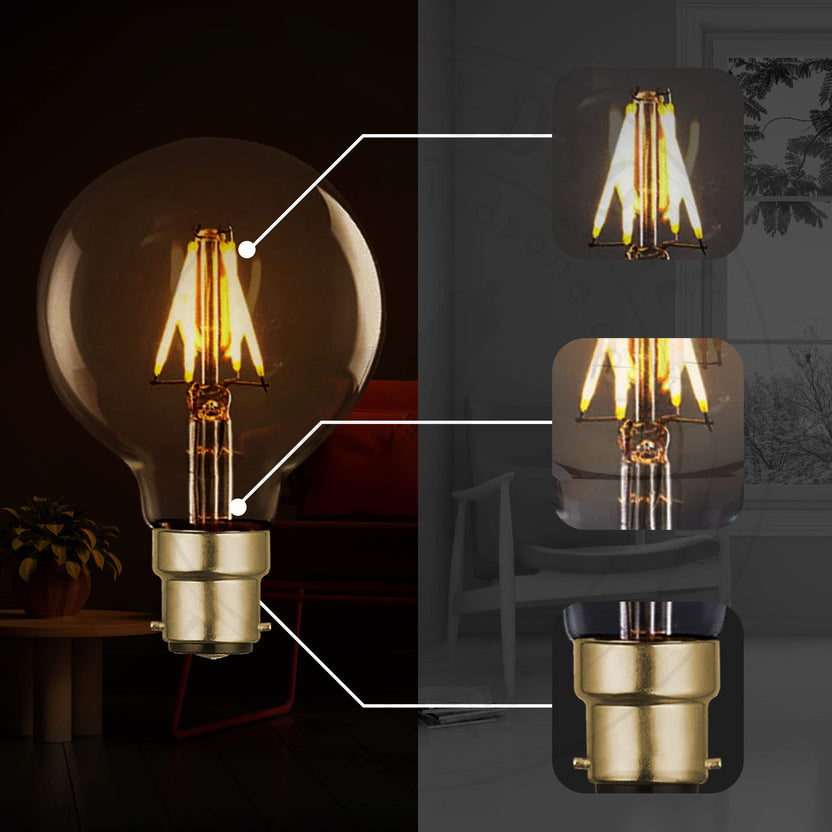
- Bayonet Cap (B22): Very common in the UK and some other countries. Instead of screwing in, you push and twist it into the socket.
- Pin Bases (GU10, MR16, G9, etc.): These are used for smaller, often directional bulbs, like those found in spotlights, downlights, and some cabinet lighting. They have pins that push into a socket. GU10s, for example, are common in kitchens and bathrooms and have a twist-and-lock fitting.
Creating Mood with Adjustable Brightness
Sometimes you want a bright, functional light, and other times you just want a soft glow. Dimmable LED bulbs are brilliant for this. They let you change the light level to suit whatever you're doing. Think about movie nights – you want the lights low, right? Or maybe you're reading a book and need a bit more light. With dimmable LEDs, you can easily adjust it. This flexibility means you can create the perfect atmosphere for any occasion. It’s not just about saving energy; it’s about making your home feel exactly how you want it to feel.
Compatibility with Dimmer Switches
Before you rush out and buy dimmable bulbs, there's a little something to check. You need to make sure your existing dimmer switches are actually compatible with LED bulbs. Older dimmer switches were designed for incandescent bulbs and might not work well with LEDs. They can cause flickering, buzzing, or the bulbs might not dim properly. It's best to look for dimmer switches specifically labelled as LED-compatible. Sometimes, you might need to replace your old dimmer switches with new ones. It’s a small step, but it makes a big difference to how your lights perform. You can find a variety of LED compatible dimmer switches online or at your local hardware store.
Energy Savings Through Dimming
Dimming your lights isn't just about mood; it's also a smart way to save energy. When you dim an LED bulb, it uses less electricity. The less bright the light, the less power it consumes. This means lower electricity bills for you. It’s a win-win situation: you get the lighting you want, and you save money while also being a bit kinder to the planet. It’s a simple change that adds up over time. Think about it – if you dim your lights for a few hours every evening, that’s energy saved every single day. It’s a practical way to make your home more efficient without really trying too hard.
Decorative and Vintage Style LEDs
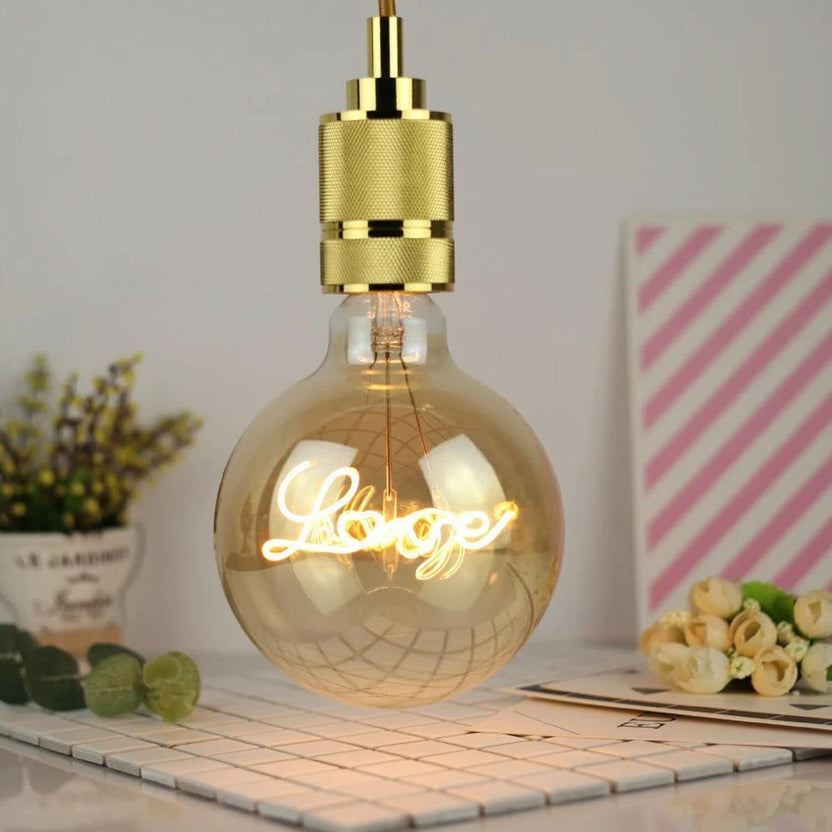
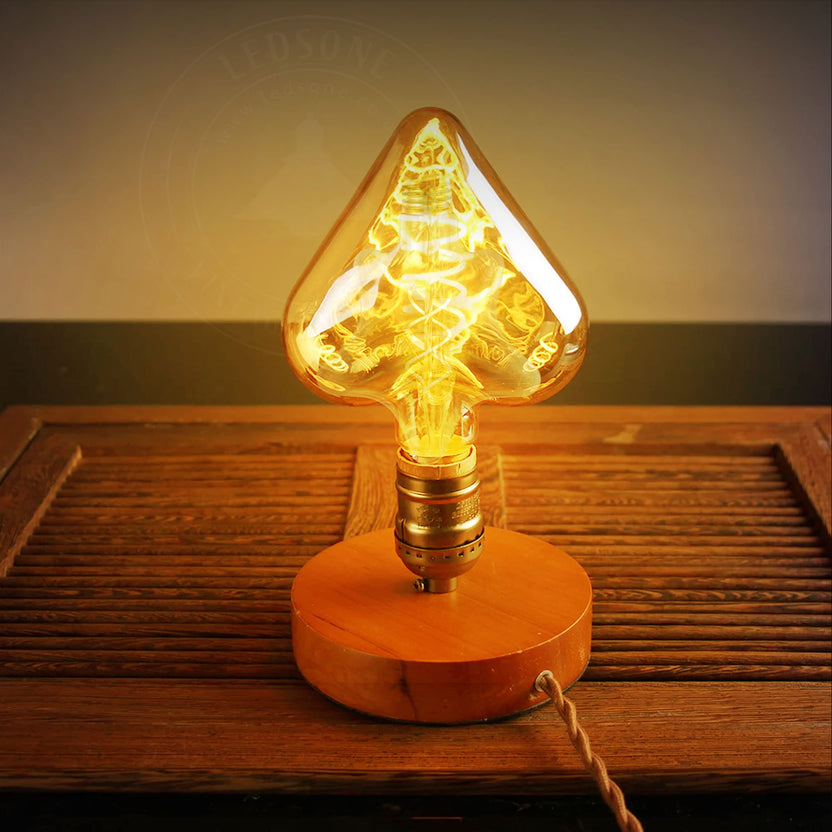
If you love the look of traditional filament bulbs but want the energy savings of LEDs, you're in luck. Vintage-style LEDs mimic the look of old Edison bulbs, complete with visible filaments, but they use a fraction of the energy and last much longer. They're perfect for exposed fixtures or lamps where the bulb is a feature. You can find them in various shapes and sizes, from classic globe bulbs to more unique designs. They typically give off a warm, inviting glow, which is great for creating a cosy atmosphere.
Maximising Your Home's Lighting Potential
Brightening Kitchens and Workspaces
When it comes to areas where you need to focus, like the kitchen or a home office, the right lighting makes a huge difference. You want a light that's bright enough to see clearly, especially when you're chopping vegetables or trying to read fine print. Think about using bulbs with a cooler colour temperature here, often labelled as 'daylight' or 'cool white'. These mimic natural daylight and can help you feel more alert and focused. For kitchens, consider recessed lighting or under-cabinet lights to eliminate shadows on your work surfaces. In a home office, a good desk lamp with a bright LED bulb is a must. Getting the lighting right in these task-oriented spaces can really boost productivity and make everyday chores much easier.
Creating Cosy Living Room Atmospheres
The living room is where we often relax, entertain, and unwind. The lighting here should feel welcoming and comfortable. Warm white LED bulbs are usually the best choice for this. They give off a softer, more yellowish glow, similar to traditional incandescent bulbs, which creates a cosy and inviting feel. Dimmable bulbs are also a fantastic addition to a living room. You can turn them down low for a movie night or brighten them up when you have guests over. Consider a mix of lighting sources too – a central ceiling light, floor lamps, and table lamps can all contribute to a layered and pleasant atmosphere. You can find some great options for thoughtful lighting design that won't cost a fortune.
Relaxing Bedroom Lighting Solutions
Your bedroom should be a sanctuary, a place to rest and recharge. Harsh, bright lights are generally not what you want here. Opt for soft white or warm white LED bulbs, especially for bedside lamps and any overhead fixtures. Dimmable bulbs are particularly useful in bedrooms, allowing you to adjust the light to suit your needs, whether you're reading in bed or winding down for sleep. A gentle, warm light can signal to your brain that it's time to relax. Avoid placing very bright lights directly where you'll be looking at them for extended periods. The goal is to create a calm and serene environment.
Here's a quick guide to bulb choices for different bedroom lighting needs:
- Bedside Lamps: Soft white, dimmable LEDs for reading and creating a cosy mood.
- Overhead Fixtures: Warm white LEDs, ideally dimmable, for general room illumination.
- Wardrobe Lighting: Bright, neutral white LEDs to help you see colours accurately when choosing clothes.
- Decorative Accents: Low-wattage, warm LEDs in lamps or string lights for a subtle, ambient glow.
Instant Brightness and Consistent Performance
One of the first things you'll notice is how quickly LEDs come on. No more waiting for that old incandescent bulb to warm up and reach full brightness. LEDs give you instant light the moment you flick the switch. Plus, their performance stays pretty consistent over their lifespan, unlike some older bulbs that might start to dim or flicker as they age. It's a small change, but it makes a difference in how a room feels when you enter it.
Ensuring Correct Bulb Fitment
Before you rush out and buy a whole load of LEDs, it's worth a quick check to make sure you get the right ones for your existing fixtures. Most standard household fittings use what's called an 'E26' or 'E27' screw base, which is pretty common. However, some lamps or decorative fittings might use a smaller 'E12' base, or even pin-type connectors like 'GU10' for spotlights. It’s a good idea to:
- Take a look at the old bulb you're replacing. The base type is usually printed on it.
- Check the packaging of the new LED bulbs to confirm the base type.
- If you're unsure, a quick search online for your light fixture model or a photo of the bulb base should help you figure it out.
Make the Switch Today
So, there you have it. Upgrading your home's lighting to LEDs isn't just about saving a bit of cash on your energy bills, though that's a nice bonus. It's about making your living space feel better, look better, and be more comfortable. Whether you're after a cosy glow for movie nights or bright light for getting things done, there's an LED bulb out there for you. It’s a simple change, but honestly, it makes a big difference. Why not start swapping out those old bulbs and see for yourself?