

Key Takeaways
Choosing the right lighting fixture can transform the entire atmosphere of your home, with multi-arm designs offering both function and flair. Please consider these essential points before your purchase:
- Ensure the number of arms matches the scale of your room dimensions.
- Verify the cable length is sufficient for your ceiling type and height.
- Select bulbs that balance warm aesthetics with practical lumen output needs.
- Plan your installation footprint carefully to avoid clutter in high-traffic areas.
- Use dimmer switches to adjust the light intensity based on your needs.
Understanding the appeal of spider pendant lights
Origins of the industrial lighting aesthetic
Many modern homeowners look to the past to define the character of their living spaces, finding inspiration in the rugged utility of early 20th-century factories. This design lineage focuses on exposed components that prioritise function, which eventually paved the way for the popular industrial spider pendant. By stripping away unnecessary ornamentation, these fixtures celebrate the raw beauty of metal, wires, and bulbs, creating an interior look that feels both historic and intentionally curated.
Versatility in open-plan living spaces
In larger, modern homes, defining different functional zones is a common challenge, and lighting serves as a crucial divider. A multi-arm pendant light provides a perfect solution by visually carving out space without the need for walls or heavy partitions. Whether you are illuminating a kitchen island or a lounge area, these fixtures help transition the eye across the room with ease.
Why the multi-drop design offers better light distribution
The magic of a multi-head pendant light lies in its ability to cast light in multiple directions, effectively eliminating dark spots that single central lights often struggle to reach. By spreading the light source, you ensure that every corner receives attention, which enhances the perception of space in smaller or irregularly shaped rooms. This makes the design particularly effective for Spider Multi-Pendant Lamp users looking to improve ambient quality.
Key factors to consider when choosing your fixture
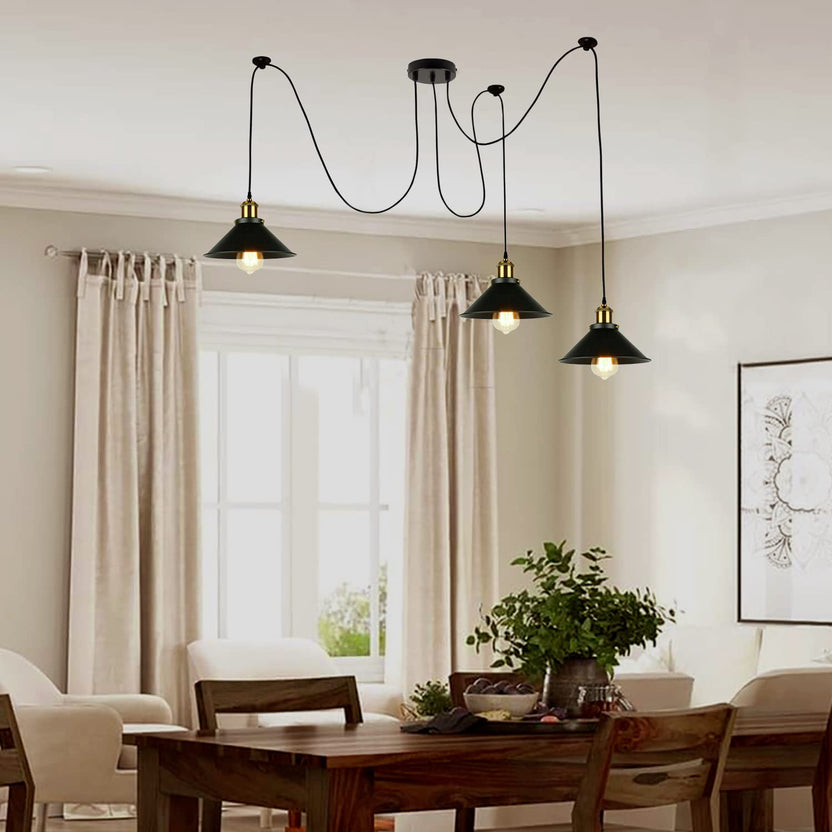
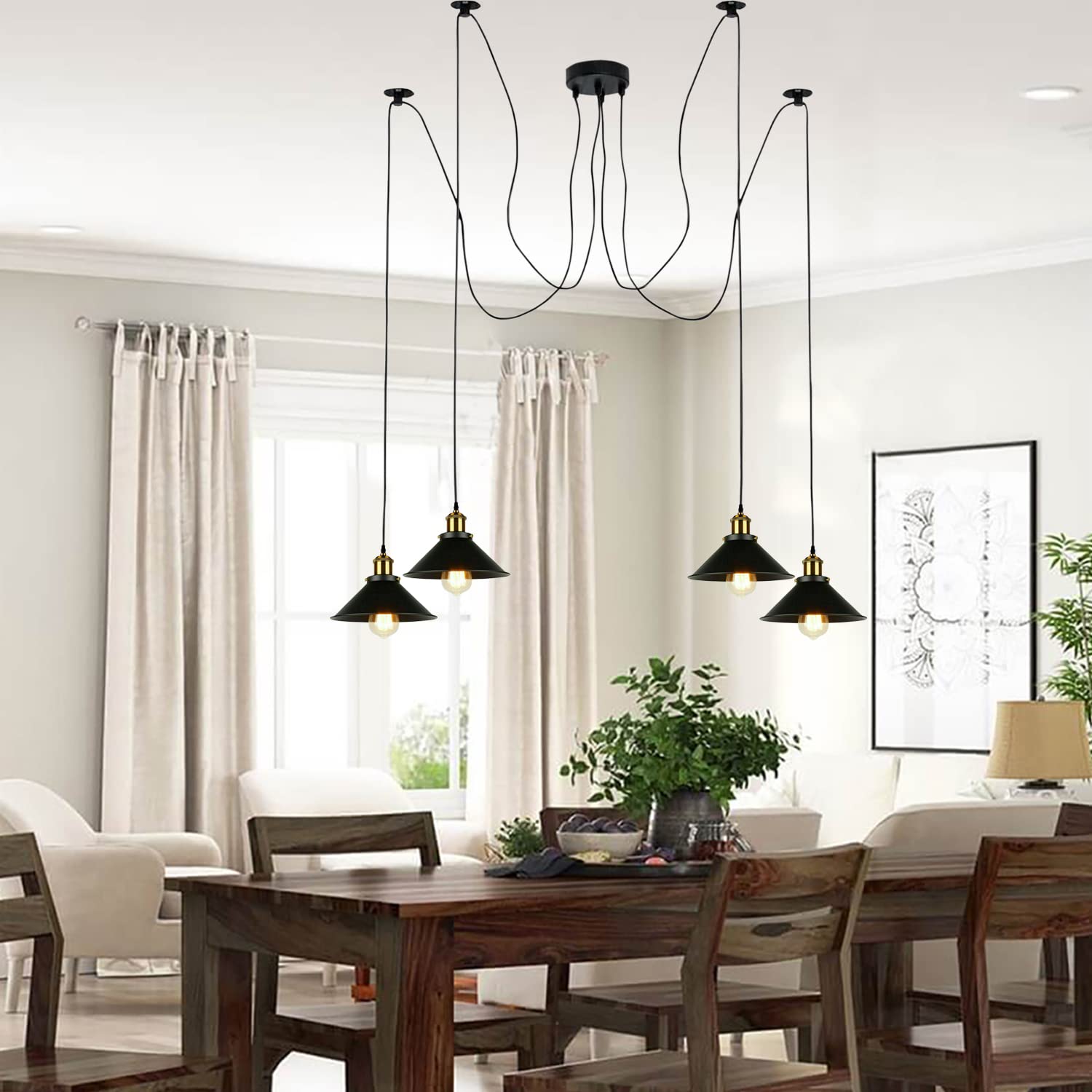
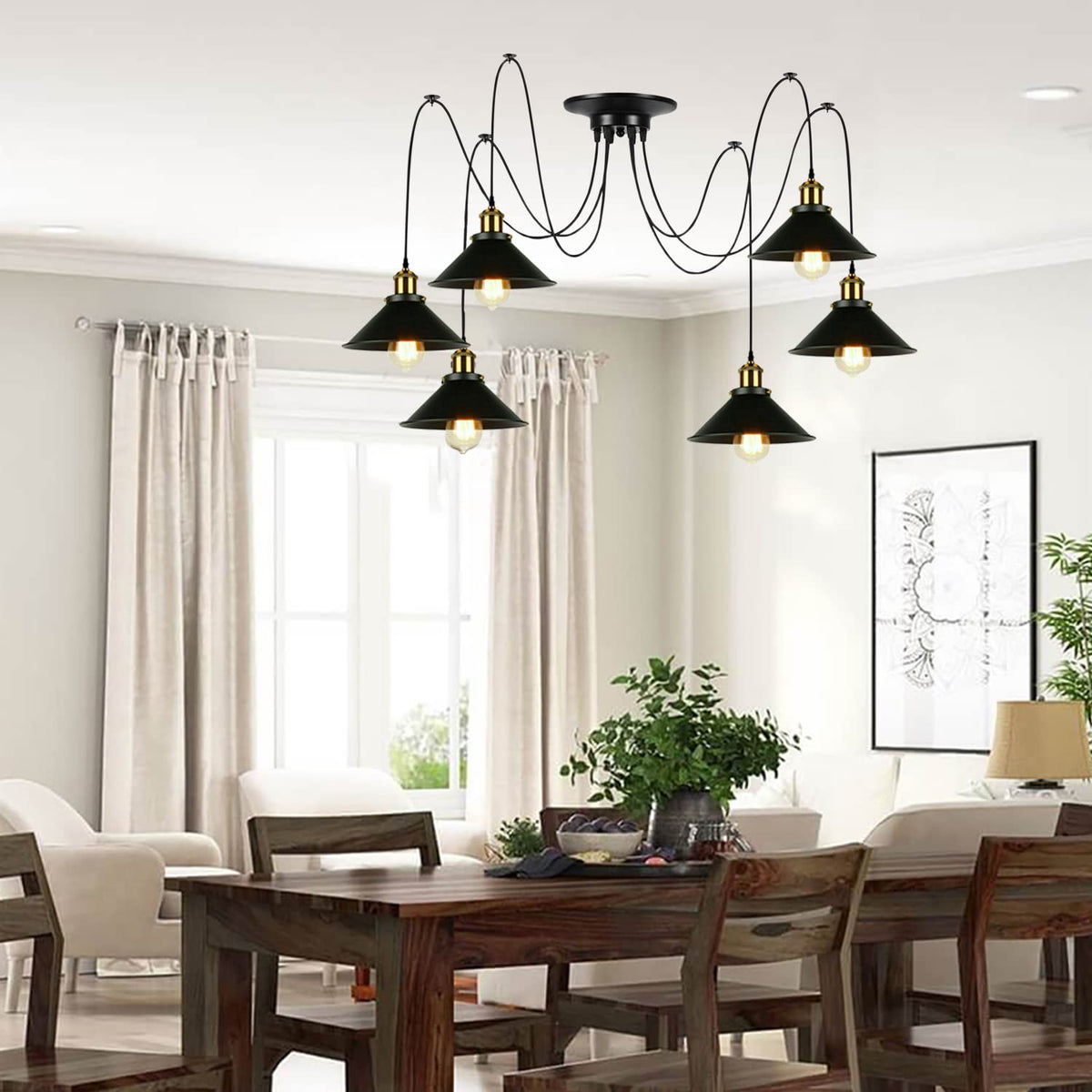
Determining the optimal number of arms
Selecting a 5 arm pendant light is a popular choice for average-sized rooms, but it is important to count how many light points you truly require for your specific area. Too many arms in a small space can overwhelm the ceiling, while too few in a grand hall will leave the room feeling dim. DCvoltage offers a comprehensive selection of these components, ensuring you find the right scale for your needs.
Material choices for industrial versus modern interiors
The materials used in these fixtures significantly impact their visual weight and compatibility with your existing décor. Industrial options often feature cast iron or heavy-duty steel, whereas more modern variants might use polished chrome, glass, or even sleek wood finishes. It is wise to consider the weight burden on your ceiling surface before committing to heavier metal models.
Assessing cable length for vaulted or high ceilings
When hanging a piece from a significant height, the length of the cables becomes paramount to achieving the desired drop. You will need to measure from the ceiling hub to the lowest point you want the light to hang, ensuring the Industrial Spider Hanging Light cable is long enough to create that signature drape. For vaulted ceilings, this extra length is essential for maintaining both symmetry and effective illumination.
Matching bulb temperature to your room function
Selecting the best bulbs for spider pendant lights is a detailed task that requires balancing aesthetics with the warmth of the room. Warm white tones often work best for living areas to foster relaxation, while cooler, brighter lights are better suited to workspaces or kitchens.
| Bulb Type | Typical Use Case | Energy Efficiency |
|---|---|---|
| Filament LED | Decorative / Warm | High |
| Dimmable LED | Adjustable Ambiance | High |
| Standard Halogen | Task Lighting | Low |
Planning the layout for your space
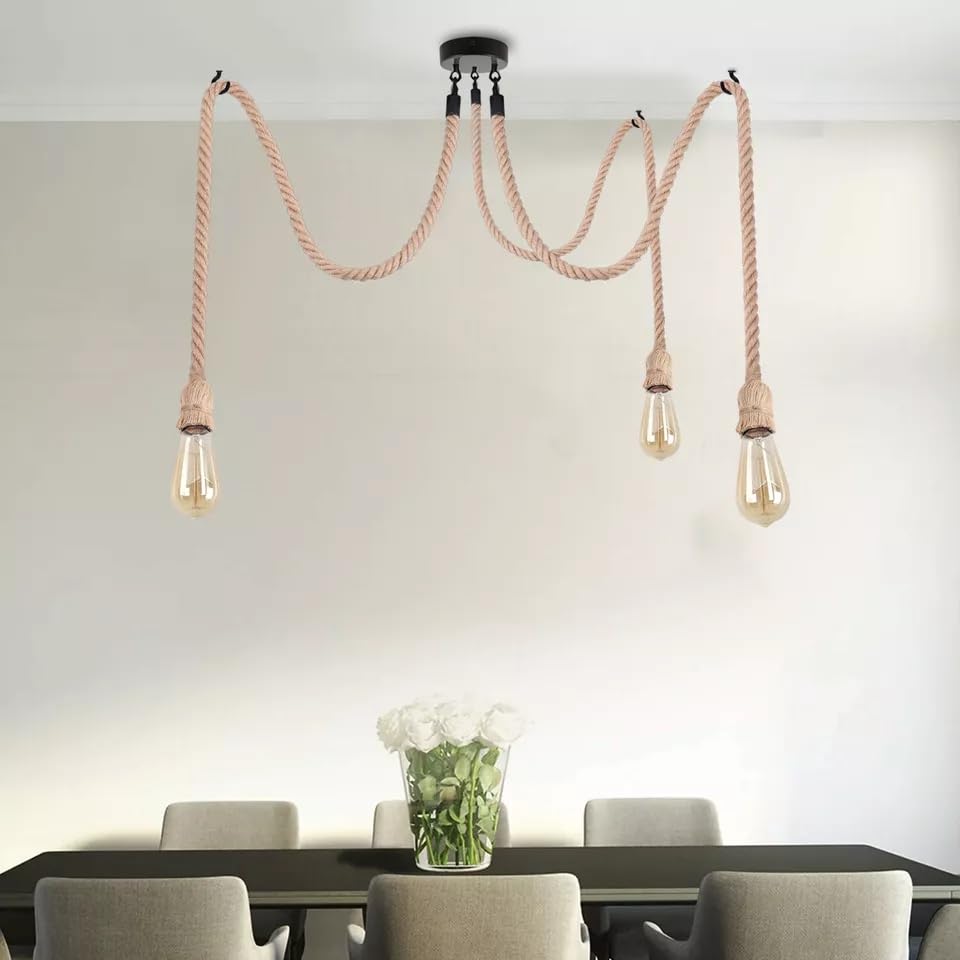
Creating a focal point above the dining table
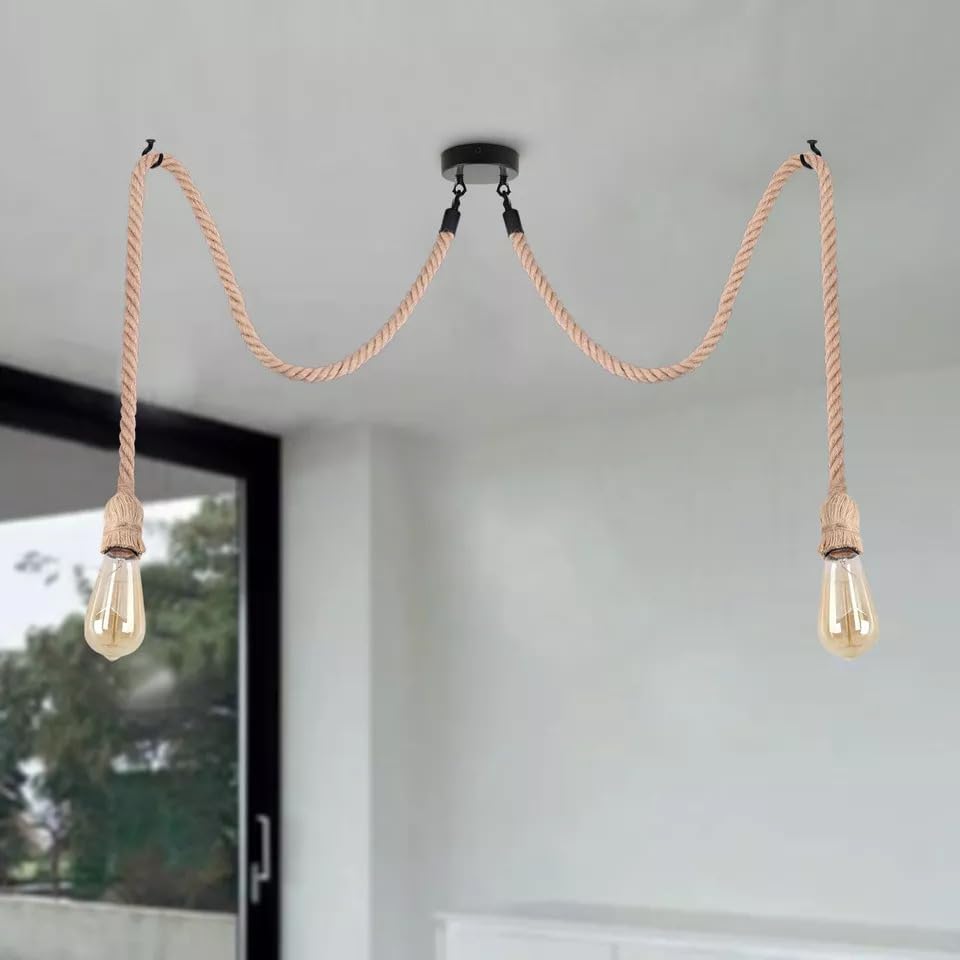
Installing a spider pendant light over dining table surfaces turns a simple piece of furniture into the heart of the home. When positioning the fixture, you must calculate the spider light fitting height from table to ensure the bulbs don't obstruct conversation or create glare for guests seated below. Aim for a height that allows the arms to spread outward, creating an inviting glow across the table's perimeter.
Using adjustable arms to illuminate dark corners
The beauty of these designs lies in their flexibility, as most models allow you to reposition the individual heads. You can use an adjustable arm pendant light to pull the light toward a reading nook or a decorative wall feature, effectively using the fixture to double as task and accent lighting. This thoughtful approach to placement transforms the device from a static light source into a dynamic design tool.
Balancing symmetry versus asymmetric styling
There is no single rule for how to arrange your cables; you can create a perfectly symmetrical star pattern or opt for a chaotic, artistic drape for a more relaxed vibe. Many owners prefer to group cables in a central point, while others might stretch them across the ceiling to cover a wider area. Experimenting with different configurations helps you find the aesthetic balance that compliments your room’s flow.
Installation and safety considerations
Assessing mounting surface integrity
Before you begin the physical installation, ensure the point where the central hub attaches to your ceiling is strong enough to support the weight of the armature. Older plaster ceilings may require specialized anchors or a mounting block to ensure the spider chandelier remains securely fixed over time. Safety is non-negotiable; always inspect your mounting hardware for signs of wear.
Managing cable management in multi-drop designs
Handling multiple cables requires patience during the process to ensure they do not become tangled or strained. Using clips provided with your kit allows you to maintain neat lines, transforming the cluster pendant light into a deliberate, orderly piece of art. If you prefer a more rugged appearance, sometimes letting the cords hang gracefully is a stylistic choice, but be mindful of any slack that could pull on the connection hubs.
When to hire a professional electrician
Working with advanced ceiling fixtures, especially those involving multiple drops, can be complex for those unfamiliar with wiring. If you are unsure about the load capacity of your ceiling roses or if your home wiring is dated, hiring a professional is the correct decision. A certified expert will ensure the installation meets all safety codes, providing peace of mind.
Connecting via a dimmer switch for atmosphere control
Integrating the Black Spider Pendant Light with a dimmer system is one of the most effective ways to manage your home's aesthetic. Most modern LED bulbs are dimmable, allowing you to transition from high-functioning daylight mode to a soft, intimate setting in seconds. This ensures that you can always control the mood of the room regardless of the time of day.
Styling your spider pendant light with interior décor
 20% OFF
 20% OFF
 20% OFF
Pairing with raw materials like brick and exposed beams
If you have a loft or industrial-style apartment, these fixtures feel right at home against brickwork and concrete. The metallic finish of the spider ceiling light catches the texture of surrounding materials, reinforcing an authentic workshop aesthetic. It creates a cohesive look that feels deliberate and high-end.
Incorporating vintage Edison bulbs for added warmth
Edison-style bulbs remain the gold standard for these fixtures because of their visible filaments. These bulbs add an amber glow that offsets the cool metal of the arms, bringing a layer of comfort to the room. When choosing these, ensure they are compatible with the fixture's max wattage ratings as specified by DCVoltage for all their lighting components.
Maintenance and care for multi-arm fixtures
Safely dusting individual arms and cables
Regular care is essential to keep your multi-arm ceiling light looking its best. Use a soft, dry microfibre cloth to gently wipe the arms and cables every few weeks, taking care not to put too much pressure on the connection points. You should never use harsh chemical cleaners, as these can strip the finish away from the armature.
Replacing blown bulbs in complex configurations
With multiple light heads, it is inevitable that one might burn out before the others. Keep a few spare bulbs on hand that match the colour temperature and base size of your original set to ensure uniformity. A mismatched bulb in a spider configuration will immediately draw the eye, distracting from the overall design.
Troubleshooting connection issues in the central mounting hub
If a set of lights begins to flicker or shuts off, the issue often stems from the connections within the central hub. First, ensure the power is off, then check that all cables are firmly seated in their terminals. If you notice any signs of heat or loose wiring, please stop using the fixture and consult an electrician to avoid any risk of failure.
Conclusion
Installing a spider pendant light serves as a unique way to bridge the gap between functional lighting and structural art within your home. By thoughtfully considering the number of arms, bulb colour temperature, and installation safety, you ensure that your chosen fixture becomes a lasting statement piece. Whether you are aiming for a classic factory aesthetic or something more modern and minimalist, the versatility of these multi-head designs allows you to customise your lighting experience. Remember that consistent care and smart energy management will keep your fixture performing beautifully for years to come.