

Steampunk lighting works best when its theatrical materials are balanced with practical illumination. The ideas below show how to bring pipes, metalwork and warm bulbs into a modern industrial home without making it feel crowded.
Key Takeaways
- Combine Victorian-inspired details with useful, well-directed light.
- Choose fixtures according to each room's size, function and ceiling height.
- Layer pendant, wall, table and task lighting instead of relying on one fitting.
- Use warm bulbs, suitable controls and carefully selected shades to shape the mood.
- Treat heavy or exposed fittings as electrical and structural installations, not merely decoration.
Understand the Key Features of Steampunk Lighting
Steampunk lighting draws on the visual language of Victorian engineering, early electrical equipment and workshop hardware. It often combines aged metals, visible fixings and filament bulbs with shapes that feel slightly mechanical or theatrical. The aim is not to recreate a museum piece, but to add character while keeping the room comfortable to use. A modern interpretation can sit neatly beside simple furniture, painted walls and contemporary LED technology.
Combine Victorian Character with Industrial Function
The most successful fitting has a clear job as well as a distinctive appearance. A pendant should illuminate a table or island, while a wall light should provide a useful pool of light rather than simply occupy an empty wall. Curved arms, cage shades and knurled fittings can suggest Victorian craft without compromising access to switches or replacement bulbs. This balance gives a steampunk lamp its appeal: it feels collected and storied, yet still belongs in a working home.
Choose Materials Such as Aged Brass, Copper and Cast Iron
Material choice determines how a fitting settles into the wider room. Aged brass brings a softer, warmer note, copper adds colour that changes subtly with the light, and cast iron gives a heavier workshop quality. Rather than using every finish at once, choose one dominant metal and repeat it in a handle, tap, shelf bracket or frame. DCVOLTAGE offers vintage lighting alongside modern LED options, making it possible to match the visual period with practical bulb choices.
Use Exposed Bulbs, Pipes and Mechanical Details
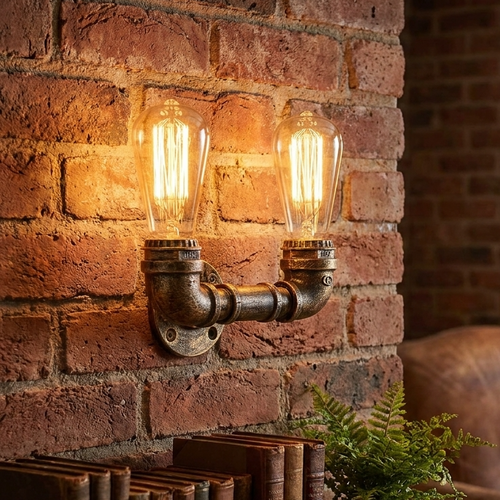
Exposed filament bulbs make the light source part of the design, while threaded pipe, valves, brackets and small gauges add visual rhythm. These details are particularly effective when the rest of the fitting is restrained. A water pipe light arrangement can work above a breakfast bar or in a utility-style hallway, provided the construction is intended for lighting and the electrical parts are properly enclosed.

DC Voltage Vintage Water Pipe Wall Sconce | Industrial Steampunk Light
Brushed copper finish, dimmable with a compatible bulb and switch, and suited to upward or downward mounting.
£25.09£19.99Shop This Sconce
Balance Distressed Finishes with Clean Modern Lines
Distressed metal has plenty of personality, so it benefits from a calm setting. Pair a weathered steampunk ceiling light with flat-fronted cabinetry, plain plaster or a simple sofa rather than surrounding it with equally ornate objects. Clean lines make the aged finish look deliberate instead of untidy. This contrast is also useful in smaller homes, where one carefully chosen industrial detail can do more than a room full of themed accessories.
Choose the Right Steampunk Light for Each Room
The right steampunk light fixtures depend on the activity taking place beneath them. Kitchens need clear illumination on worktops, dining rooms benefit from a lower, warmer centrepiece, and bedrooms usually need gentler sources at eye level. Scale matters too: an elaborate fitting that suits an open-plan ceiling may overwhelm a narrow landing. Consider the room's proportions, existing sockets and sightlines before choosing a finish or silhouette.
Create a Statement Pendant for the Kitchen or Dining Area
A steampunk pendant light can anchor a kitchen island or dining table, especially when its lower edge sits at a comfortable height above the surface. Use a wide shade or a small cluster when the table is broad, and keep the arrangement centred rather than allowing it to drift towards a wall. In a compact dining area, one open cage with a warm bulb may be enough. The fitting should frame conversation and food without casting harsh shadows across faces.
Add Wall Sconces to Hallways and Living Spaces
A steampunk wall light is useful where ceiling space is limited or where you want to guide movement through the home. Place pairs at a consistent height along a hallway, or use one beside a reading chair and another near a doorway in the living room. Arm length and shade direction affect glare, so check what the fitting will face when someone is seated or walking past. Repeating a finish elsewhere helps the sconces feel connected to the room rather than added as an afterthought.
Use Table Lamps to Bring Warmth to a Home Office or Bedroom
A steampunk lamp on a desk, chest or bedside table adds an approachable layer of light. Look for a stable base and a shade that keeps the bulb out of direct eye line, particularly beside a bed or monitor. A small valve detail or brass joint can provide the style cue without taking up the whole surface. Browse our table lamps for a wider selection of vintage and LED-ready bases.
Install Practical Task Lighting Above Worktops and Desks
Task lighting should be judged by what it helps you see, not just by its decorative finish. Under-cabinet fittings, adjustable spots or a directional arm can reduce shadows on a chopping board, workbench or keyboard. Keep the light source slightly in front of you where possible, so your body does not block it. A decorative fitting can still sit nearby, but the working beam deserves priority.
Plan a Layered Lighting Scheme
A room rarely feels right with a single bright fitting in the middle of the ceiling. Layered lighting gives you a choice between cooking, reading, entertaining and relaxing, while also allowing the steampunk elements to appear at different levels. Start with the activities and natural light in the room, then decide which fittings should be noticed and which should quietly support them. This approach keeps industrial steampunk lighting expressive without making it visually noisy.
Combine Ambient, Task and Accent Lighting
Ambient lighting establishes a comfortable base, task lighting supports precise activities, and accent lighting draws attention to shelves, brickwork, art or architectural details. A pendant may provide ambient light over a table, while a desk lamp handles close work and a small wall fitting picks out a textured surface. Dimmers can help these layers overlap rather than compete. The result feels more adaptable than a single all-purpose ceiling fitting.
Use Different Heights to Add Depth and Visual Interest
Varying the height of fixtures makes the room feel considered. A pendant can sit above eye level, a wall light can occupy the middle plane, and a table lamp can create a low pool of warmth. Keep walking routes clear and avoid placing exposed bulbs where they will shine directly into seated eyes. In a tall room, a long drop or oversized shade can connect the ceiling to the furniture below.
Pair Statement Fixtures with Discreet Modern Fittings
A large industrial fitting does not need to do every lighting job. Recessed spots, slim under-shelf strips or simple ceiling fittings can provide even coverage while the main pendant carries the decorative story. This is particularly helpful in kitchens, where a beautiful central light may leave worktop corners in shadow. One strong focal point usually has more impact than several competing objects.
Select Warm Colour Temperatures for a Welcoming Atmosphere
Warm white light generally suits brass, copper, timber and aged finishes because it brings out their depth without making them look stark. Cooler light can be useful in a workshop or utility area, but it may flatten the patina of a decorative fitting. Test the bulb in the actual room, since wall colour and daylight alter the impression. Use the same general temperature across adjoining spaces to keep the home visually calm.
Use Steampunk Lighting to Enhance Modern Interiors
Steampunk style lighting does not require a fully themed interior. In fact, its strongest effect often comes from placing one visibly mechanical object among quiet contemporary finishes. Smooth cabinetry, pale walls and uncluttered furniture give the fitting room to breathe. The wider aim is contrast: old-looking materials and engineered details set against the clarity of modern planning.
Contrast Vintage-Inspired Fittings with Minimalist Furniture
A cage pendant or articulated wall fitting can add texture to a room containing a plain sofa, low shelving and a simple coffee table. Keep the furniture silhouettes clean so that the light becomes the expressive element. Black metal often works well against light upholstery, while copper or brass can warm a cooler palette. The contrast should feel intentional, not like a collection of unrelated purchases.
Match Lighting Finishes to Industrial Architectural Features
If a room already has steel-framed glazing, exposed brick, concrete or timber beams, use the lighting to pick up one of those cues. Black fittings can echo window frames, while aged brass may sit comfortably with warm timber and old pipework. Matching every metal is unnecessary; repeating one finish in two or three places is usually enough. This makes the architecture and the fixtures read as part of the same composition.
Soften Metal Fixtures with Wood, Leather and Textiles
Metal can feel severe when it appears without anything tactile around it. A timber table, leather chair, wool rug or linen curtain gives a hard-edged steampunk light a more domestic setting. Even a fabric shade or woven basket nearby can temper the mechanical quality. These softer materials also absorb sound and help an industrial room feel comfortable rather than staged.
Avoid Overcrowding Rooms with Too Many Decorative Details
Pipes, gears, gauges and exposed wiring-inspired forms are effective because they catch the eye. If each surface repeats the same vocabulary, the room can quickly become costume-like. Choose a main fitting, one supporting detail and a small number of related accessories.
Before adding another decorative piece, check:
- Can the fitting improve the room's light as well as its appearance?
- Does its finish repeat an existing material or colour?
- Is there enough clear space around the object for it to be noticed?
- Will its shape remain comfortable at eye level?
A restrained edit lets the best details carry the room. Modern furniture and open areas provide the visual pause that makes steampunk accents feel refined.
Explore Creative Steampunk Lighting Ideas
Creative fixtures can be made from familiar workshop references, but novelty should not replace sound construction. Pipes, brackets and reclaimed objects work best when their proportions suit the room and their purpose is clear. Start with the light's position and beam, then build the decorative language around it.
Repurpose Pipes, Gears and Reclaimed Hardware
Pipe sections can form a stem, frame or wall-mounted arm, while a gear can become a backplate or a small visual accent. Reclaimed hardware should be cleaned, checked for sharp edges and separated from heat-producing components where necessary. A simple repeated pipe structure often looks more convincing than a crowded assembly. For UK homes, also consider how the finish will respond to humidity, especially in kitchens, boot rooms and utility spaces.
Turn Vintage Bottles, Gauges or Workshop Objects into Lamp Details
A bottle can become a coloured glass element, and an old gauge can provide a circular detail on a base or backplate. These objects should remain securely fixed and must not obstruct ventilation, bulb replacement or access to the electrical connections. Keep the composition legible: one unusual object is more effective when it has space around it.
Create a Grouped Pendant Arrangement over an Island or Table
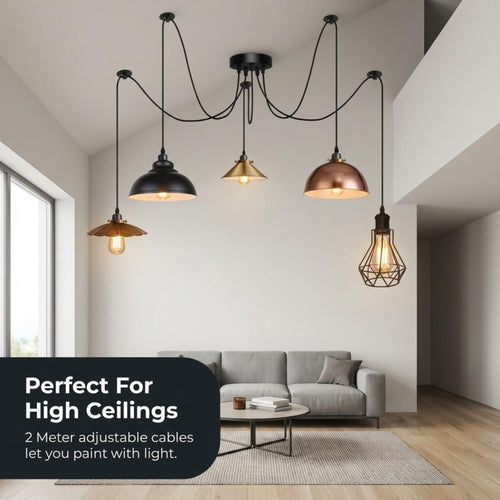
Several small pendants can form a more flexible arrangement than one very large shade. Varying the drop slightly adds movement, although the lowest fitting should still leave comfortable clearance for people using the surface. Choose a shared finish or bulb shape to hold the group together. A trio over an island can echo the rhythm of cabinet doors, stools or ceiling beams.
Use Oversized Fittings as Focal Points in Open-Plan Rooms
Open-plan spaces need strong visual anchors, and an oversized fitting can define the dining or seating zone without building a wall. Check the scale from every approach, particularly if the room is visible from a hallway or staircase. Keep nearby decoration quieter so the fitting does not compete with artwork, shelving and windows. The best large fixture feels proportionate to the volume of the room, not merely large for its own sake.
Select Bulbs, Shades and Controls Carefully
Bulbs and shades change the character of a fitting as much as the metalwork does. An exposed filament gives a more theatrical glow, while a shaded bulb can make the same base feel calmer and more practical. Check the socket type, wattage and dimensions before buying, especially with unusual vintage-inspired holders.
Choose the Right Edison-Style Bulb Shape and Brightness
Globe, tubular and teardrop Edison-style bulbs each create a different outline within an open cage or holder. Larger shapes suit a broad pendant, while a narrow tube can fit neatly into a pipe-based wall fitting. Brightness should reflect the task: a dining pendant may need less output than a kitchen work light. LED filament bulbs can offer the period appearance with lower energy use than traditional incandescent alternatives.

12 Piece Vintage E27 LED Filament Bulbs | Amber Glass Retro Décor
Amber-toned E27 filament bulbs that keep the period look while cutting energy use versus traditional incandescent.
£31.91Shop These Bulbs
Use Clear, Smoked or Amber Glass to Change the Mood
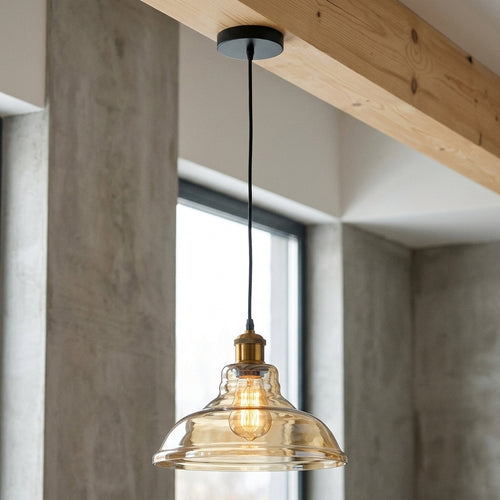
Clear glass gives the sharpest view of the filament and produces a more direct sparkle. Smoked glass reduces visual intensity and can make a dark metal fitting feel less stark, while amber glass adds a distinctly warm cast. Consider the shade of the walls and the amount of daylight before choosing. Several tinted bulbs in one room can look disjointed, so repeat the same glass treatment where possible.
Add Dimmer Switches for Flexible Lighting Levels
A dimmer lets a pendant move from practical brightness during dinner preparation to a softer level when guests arrive. Not every LED bulb is dimmable, and the control must be compatible with the load and fitting. If you are replacing an existing switch, confirm the arrangement before purchasing the bulb. A qualified electrician can advise where the wiring or control setup is uncertain.
Check Bulb Compatibility, Heat Output and Energy Efficiency
Look at the holder size, maximum wattage, bulb shape and clearance around the glass before installation. Heat needs particular attention when a shade surrounds the lamp or when a fitting is close to timber, fabric or paintwork. DCVOLTAGE specialises in vintage and LED lighting solutions and supplies LED bulbs, lampshades and vintage cable, so these component checks can be made alongside the decorative choice. Never force a bulb into an incompatible holder simply because its appearance suits the design.
Install and Maintain Industrial-Style Light Fittings Safely
Industrial-style light fittings may look rugged, but decorative strength is not the same as structural or electrical safety. Heavy pendants, exposed metal and reclaimed components need careful assessment before they enter a home. Check the fitting's instructions, the condition of the parts and the environment where it will be used. Good maintenance preserves both the finish and the safe operation of the light.
Check Ceiling Strength Before Fitting Heavy Pendants
A ceiling rose and fixing point must be suitable for the full weight of the pendant, including shades and bulbs. Do not assume that an existing hook can carry a substantially heavier fitting. Locate the appropriate structural support and use fixings suited to the ceiling construction. In older properties, a professional assessment is sensible when the ceiling material or joists are uncertain.
Use a Qualified Electrician for Fixed Electrical Work
Fixed wiring, new ceiling points and alterations to switches should be handled by a qualified electrician. This is especially important when a design uses metal pipe, reclaimed hardware or several connected pendants, since all conductive parts and earth connections must be considered. Decorative assembly is not a substitute for electrical competence. Ask for the relevant testing and documentation once the work is complete.
Keep Exposed Materials Protected from Moisture and Corrosion
Bathrooms, kitchens and unheated entrances place extra demands on metal finishes and electrical components. Use fittings rated for the location, keep connections protected and avoid installing unsuitable reclaimed parts where they may be splashed. Wipe condensation and spills promptly, and inspect for tarnish, flaking coatings or rust. A finish that is intentionally aged should still remain stable and free from loose material.
Clean Glass, Metal and Wiring Without Damaging Aged Finishes
Switch off the circuit before cleaning and allow bulbs and fittings to cool completely. Dust glass with a soft cloth, use a lightly damp cloth for suitable metal surfaces and avoid abrasive products that could remove an intentional patina. Never pull or twist exposed cables while wiping around them. Small, regular cleaning sessions are safer and kinder to aged finishes than aggressive restoration.
Conclusion
Steampunk lighting can give a modern industrial home warmth, texture and a memorable focal point without turning every room into a themed set. Choose one or two strong materials, layer the light for real activities, and let simple furniture provide balance. With compatible bulbs, sound installation and restrained detailing, the style becomes practical enough for everyday life as well as visually distinctive.
Keep Exploring on DCVOLTAGE
Frequently Asked Questions
What is steampunk lighting?
Steampunk lighting is a style that blends Victorian-inspired forms with industrial materials and mechanical details. Common features include aged metal, exposed bulbs, pipework, cages, valves and visible fixings.
Does steampunk lighting suit a modern home?
Yes. A single pendant, wall fitting or table lamp can provide contrast in a contemporary room. Minimal furniture, plain walls and uncluttered surfaces help the industrial detail feel deliberate.
Which rooms work best with steampunk lights?
Kitchens, dining areas, living rooms, hallways, offices and bedrooms can all suit the style. The fitting should match the room's function, scale and available ceiling or wall space.
Are Edison-style bulbs energy efficient?
Traditional filament bulbs are generally less energy efficient than LED filament alternatives. LED versions can retain a vintage appearance while using less energy, but brightness, dimming and heat specifications still need checking.
How high should a pendant light hang above a table?
It should provide useful light without obstructing conversation or sightlines. The exact height depends on the fitting, ceiling and occupants, so follow the manufacturer's guidance and adjust for comfortable everyday use.
Can reclaimed pipes be used to make a light?
They can be used as decorative or structural elements only when the design is properly engineered and the electrical components are suitable. Any fixed wiring and earthing work should be completed by a qualified electrician.
How can I stop industrial lighting from looking too harsh?
Use warm colour temperatures, smoked or amber glass, dimmer controls and softer surrounding materials such as wood, leather, rugs and curtains. Limit the number of competing mechanical details so the room retains visual calm.